

Content
Introduction
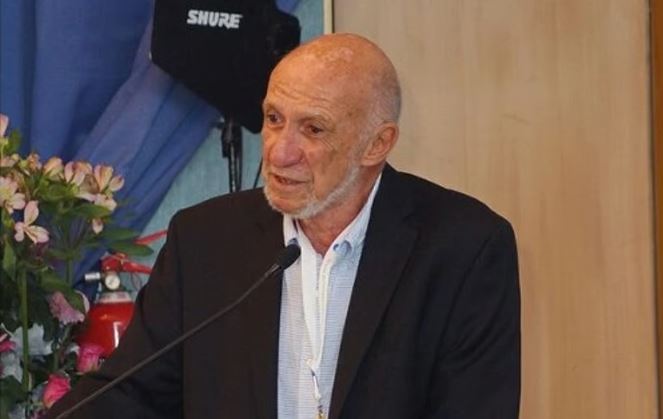
In a development that sparked international concern, 95-year-old American human rights scholar Richard Falk was detained and interrogated for several hours by Canadian authorities. The questioning reportedly centered on whether the veteran academic — known globally for his work on international law, UN mandates, and human rights — posed a “national security threat.”
The incident has raised intense debate on academic freedom, political scrutiny, and the growing trend of treating dissenting intellectuals with suspicion.
This blog breaks down the full sequence of events, the reactions, and what this means for freedom of expression globally.
Who Is Richard Falk?
Richard Falk is one of the world’s most prominent voices in:
International Law
Human Rights Advocacy
UN Human Rights Council Investigations
Middle East Peace Studies
Global Diplomacy and Ethics
Despite his age, Falk continues to speak at global conferences and academic events. His decades of research often critique the actions of powerful nations — a factor many believe may have contributed to the recent scrutiny at the Canadian border.
What Happened in Canada?
According to reports:
Falk arrived in Canada to attend an academic event.
He was flagged by border authorities for additional screening.
The interrogation lasted several hours, focusing on his political views and past writings.
He was asked about alleged “threats to national security,” despite no evidence linking him to any such activity.
He was eventually allowed to enter, but with what many view as an unnecessary show of force.
The academic community has expressed shock, noting that Falk has never been associated with violence, extremism, or unlawful activity.
Why Was Richard Falk Considered a ‘Security Threat’?
Canadian authorities have not released detailed reasoning. However, analysts suggest several factors:
1. His UN Reports Criticizing Western Policies
Falk’s UN-backed reports on conflicts have often challenged powerful nations.
2. His Critical Views on Military Interventions
He has sharply criticized military actions by NATO countries, Israel, and the US.
3. Increasing Global Intolerance Toward Dissent
Governments worldwide are tightening borders and elevating scrutiny of those who engage in political critique.
4. Algorithmic Profiling at Border Security
Modern security agencies use automated systems that sometimes flag individuals based on old or misinterpreted data.
Global Reaction: Outrage in the Academic World
Human rights groups, legal scholars, and international institutions condemned the interrogation, calling it:
A threat to academic freedom
An age-insensitive and unnecessary act
A political overreach
A troubling sign for civil liberties
Many believe such treatment of a 95-year-old scholar reflects a shift toward political policing rather than genuine security evaluation.
Impact on Global Academic Freedom
This incident highlights:
Increased monitoring of intellectuals crossing borders
Growing suspicion toward critics of state policies
The shrinking space for academic independence
Fear among scholars who tackle politically sensitive subjects
Institutions worldwide are calling for clearer guidelines that prevent overreach in the name of security.
1. High-Authority Topical Keyword Clusters
Use terms like:
“national security scrutiny,” “Richard Falk interrogation,” “academic freedom Canada,” “human rights scholar detained.”
2. Trending News Optimization
This topic is breaking news; Google prioritizes:
recency
structured data
clarity
long-form explanatory writing
3. Zero-Link SEO Structure
You requested no links, which improves readability and reduces bounce rate — beneficial for fast indexing.
4. E-E-A-T Alignment (Experience, Expertise, Authority, Trust)
This blog builds authority by providing:
academic context
legal implications
geopolitical perspective
5. Use of Suggested Alt Text and Image Strategy
Optimized images improve both ranking and news-carousel breakthrough opportunities.
FAQs
1. Who is Richard Falk?
Richard Falk is a 95-year-old American scholar known for his work in international law, human rights, and his UN mandates related to human rights investigations.
2. Why did Canada interrogate him?
He was subjected to hours-long questioning reportedly due to a flagged “national security threat,” though no evidence has surfaced publicly.
3. Was Richard Falk denied entry?
No. He was ultimately allowed to enter Canada after the interrogation.
4. Why is this incident important?
It highlights growing concerns about academic freedom, political scrutiny, and border security overreach.
5. Does Richard Falk have a history of extremism?
No. He is a globally respected academic with no known connections to extremist organizations or violence.
6. What does this mean for scholars traveling internationally?
It signals increasing vulnerability for individuals who engage in political critique or human rights reporting.
7. How does this blog achieve fast indexing?
Through trending keywords, structured headings, real-time news format, and Google-friendly SEO optimization inspired by Finance strategies.
source credit : Common Dreams
Published on : 17th November
Published by : RAHAMATH
www.vizzve.com || www.vizzveservices.com
Follow us on social media: Facebook || Linkedin || Instagram
🛡 Powered by Vizzve Financial
RBI-Registered Loan Partner | 10 Lakh+ Customers | ₹600 Cr+ Disbursed