

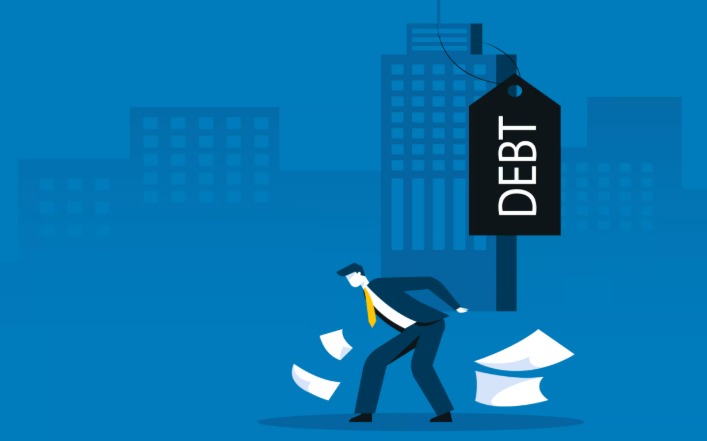
Personal loans offer quick access to funds — whether for emergencies, weddings, or debt consolidation. But once the money is disbursed, many borrowers stop paying attention to one crucial detail: their EMI (Equated Monthly Instalment).
Ignoring your EMI structure or schedule can silently push you into a debt trap — a situation where you struggle to meet monthly payments and end up borrowing more to cover existing debt.
Here’s why regularly checking your EMI can actually protect your financial health.
1. Keeps You Aware of Interest Outflow
Your EMI consists of two parts — principal and interest. In the early months, a large portion of your EMI goes toward interest.
By reviewing your loan amortization schedule, you’ll know how much of your payment reduces the principal and how much goes toward interest.
This helps you:
Understand your repayment progress
Plan prepayments smartly
Save significantly on total interest cost
💡 Tip: Even one or two prepayments a year can shorten your loan tenure and save thousands in interest.
2. Helps Detect Hidden Charges or Errors
Lenders may occasionally revise interest rates (especially for floating-rate loans) or levy charges for delayed payments or ECS bounce.
By monitoring your EMI statements, you can spot unexpected deductions early and raise a dispute before they snowball.
3. Keeps Your Credit Score Healthy
A missed or delayed EMI directly impacts your credit score and credit history.
Regularly checking your EMI ensures you always have sufficient funds in your account and helps you avoid defaults that can hurt your future borrowing power.
4. Prevents Over-Borrowing
Knowing your EMI commitments helps you assess whether you can afford another loan or credit card.
If your EMIs already consume more than 40–45% of your monthly income, taking on new debt can push you toward repayment stress — a common debt trap trigger.
5. Encourages Better Financial Planning
Tracking your EMI payments gives you a clear view of your cash flow and remaining obligations.
It helps you plan for:
Emergency savings
Early loan closure
Investing after loan repayment
Essentially, you stay in control instead of letting your debt control you.
Final Thoughts
Taking a personal loan is easy; managing it responsibly is where financial discipline truly shows.
By regularly checking your EMI details — due date, outstanding balance, and interest changes — you can avoid unnecessary debt stress and maintain a healthy financial balance.
Remember: small financial checks can prevent big financial traps.
FAQs
Q1. How often should I check my EMI schedule?
Review it monthly to confirm deductions and at least quarterly to track overall repayment progress.
Q2. Can I reduce my EMI amount during the loan tenure?
Yes, you can request tenure extension or partial prepayment, depending on your lender’s policy.
Q3. What happens if I miss one EMI?
You’ll likely face a penalty, and it can negatively affect your credit score.
Q4. Does changing the interest rate affect my EMI?
Yes, for floating-rate loans, a change in interest rate can alter either your EMI amount or your loan tenure.
Published on : 7th November
Published by : SMITA
www.vizzve.com || www.vizzveservices.com
Follow us on social media: Facebook || Linkedin || Instagram
🛡 Powered by Vizzve Financial
RBI-Registered Loan Partner | 10 Lakh+ Customers | ₹600 Cr+ Disbursed