

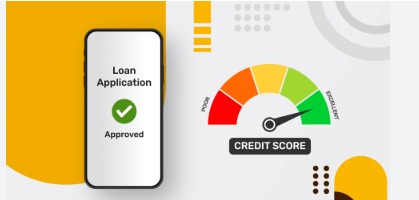
A credit score is a three-digit number that represents your creditworthiness, based on your financial history. It plays a critical role in personal lending, influencing the likelihood of loan approval, interest rates, and even the terms of repayment.
Whether you are applying for a personal loan, home loan, or credit card, your credit score serves as a measure of trustworthiness in the eyes of lenders.
How Credit Score Affects Personal Lending
1. Loan Approval
Lenders primarily use your credit score to decide if you qualify for a loan.
Higher scores increase the chances of approval, while low scores may lead to rejection.
2. Interest Rates
A good credit score often qualifies borrowers for lower interest rates.
Poor credit scores result in higher interest rates due to perceived risk.
3. Loan Amount and Tenure
Lenders may offer higher loan amounts and longer repayment tenures to borrowers with good credit scores.
Low scores may limit borrowing capacity or require shorter tenure with higher EMIs.
4. Repayment Flexibility
Borrowers with high credit scores may enjoy flexible repayment options and fewer penalties.
Those with low scores may face stricter terms and prepayment restrictions.
5. Access to Premium Loan Products
Certain premium loan products or low-rate personal loans are exclusive to borrowers with excellent credit scores.
Factors That Influence Your Credit Score
Payment History: Timely repayment of loans and credit cards.
Credit Utilization Ratio: Percentage of credit used versus available limit.
Credit Mix: A combination of secured and unsecured loans.
Loan Enquiries: Multiple loan applications in a short period can negatively affect score.
Defaults or Late Payments: Any missed payments reduce the credit score.
Tips to Maintain a Healthy Credit Score
Pay Bills on Time: Timely EMI and credit card payments are crucial.
Monitor Credit Utilization: Keep credit usage below 30% of available limits.
Avoid Multiple Loan Applications: Limit hard inquiries in a short period.
Check Credit Report Regularly: Correct errors and discrepancies.
Use Credit Wisely: Maintain a mix of secured and unsecured credit responsibly.
FAQs:
Q1. What is a good credit score for personal loans?
A score above 750 is generally considered excellent, while 650–750 is moderate.
Q2. Can I get a personal loan with a low credit score?
Yes, but you may face higher interest rates, smaller loan amounts, or require a co-signer.
Q3. How often should I check my credit score?
At least once a year, or before applying for a major loan.
Q4. Does a credit score affect all types of personal loans?
Yes, it affects approval, interest rate, loan amount, and repayment terms across personal loans, home loans, and credit cards.
Q5. How long does it take to improve a credit score?
With consistent payments and good financial habits, noticeable improvements can occur in 6–12 months.
Published on : 1st October
Published by : SMITA
www.vizzve.com || www.vizzveservices.com
Follow us on social media: Facebook || Linkedin || Instagram
🛡 Powered by Vizzve Financial
RBI-Registered Loan Partner | 10 Lakh+ Customers | ₹600 Cr+ Disbursed
https://play.google.com/store/apps/details?id=com.vizzve_micro_seva&pcampaignid=web_share