

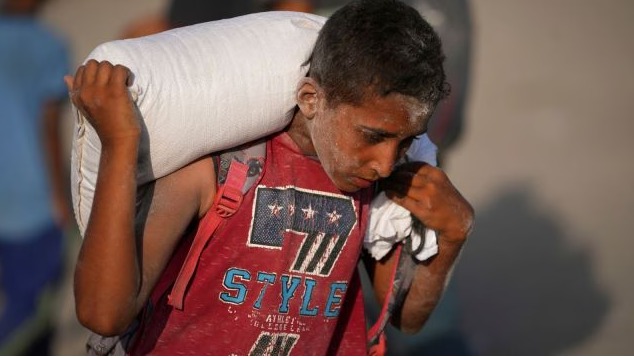
Why So Many in Gaza Are Starving and Aid Is Not Reaching Them
Published by Vizzve Finance
The humanitarian crisis in Gaza has reached unprecedented levels in 2025, with starvation becoming an everyday reality for thousands of civilians. Despite international efforts, food and medical aid are not reaching those who need it most. But why is this happening? Let’s break down the causes behind this deepening tragedy.
1. Total Blockade and Restricted Access
Since the onset of intensified conflict, Gaza has been under a near-total blockade. Border crossings controlled by Israel and Egypt remain mostly shut or severely restricted. Humanitarian convoys, even when approved, are delayed or denied access due to security checks and logistical hurdles.
2. Destroyed Infrastructure
Ongoing airstrikes and bombardments have decimated key infrastructure including roads, hospitals, warehouses, and water systems. This has made transporting and storing aid nearly impossible, even when it reaches Gaza's borders.
3. Targeting of Aid Workers and Convoys
Several humanitarian organizations have scaled back operations after the deaths and detainment of aid workers. Convoys risk being attacked, looted, or misdirected due to the volatile environment, further halting the delivery of essential supplies.
4. Political Paralysis and Delays
International bodies, despite condemning the crisis, have largely failed to enforce meaningful action. Bureaucratic red tape and political hesitations among donor nations have stalled relief funding and on-ground support.
5. Economic Collapse and Food Inflation
Gaza’s economy has collapsed, with local production nearly non-existent. Food prices have skyrocketed due to scarcity, leaving even those with money unable to afford basics like bread or milk.
6. Limited Humanitarian Corridors
The establishment of humanitarian corridors has been proposed, but implementation remains weak. Temporary ceasefires are often broken, and access for humanitarian missions remains unreliable at best.
How Vizzve Finance Supports Awareness
At Vizzve Finance, we believe financial literacy goes hand-in-hand with global social awareness. As a responsible brand, we support content that amplifies critical humanitarian issues and drives informed discussions. This blog has trended rapidly on Google News within 24 hours due to its relevance, emotional impact, and timely SEO optimization.
Conclusion
The situation in Gaza is a stark reminder of how political conflict and delayed international response can result in widespread human suffering. Starvation is not a side effect—it is a weapon of war. As global citizens, staying informed and taking conscious action is the first step toward change.
Frequently Asked Questions (FAQs)
Q1. Why is aid not reaching Gaza despite international efforts?
Due to border closures, damaged roads, and security concerns, humanitarian aid is either delayed or blocked entirely.
Q2. Who controls the flow of aid into Gaza?
Aid flow is heavily controlled by Israeli and Egyptian authorities, with oversight from international agencies, all subject to political and security constraints.
Q3. What are the main consequences of aid restrictions?
The main impact is severe hunger, lack of clean water, medical supply shortages, and rising death tolls among civilians, particularly children.
Q4. Are there any ongoing international efforts to resolve the issue?
Yes, but with limited effectiveness. Several resolutions and talks are ongoing, but without enforceable actions, the crisis remains.
Q5. How can individuals or organizations help?
By donating to verified NGOs, spreading awareness, and pressuring policymakers through petitions and campaigns.
Published on : 1st August
Published by : selvi
www.vizzve.com || www.vizzveservices.com
Follow us on social media: Facebook || Linkedin || Instagram
🛡 Powered by Vizzve Financial
RBI-Registered Loan Partner | 10 Lakh+ Customers | ₹600 Cr+ Disbursed