

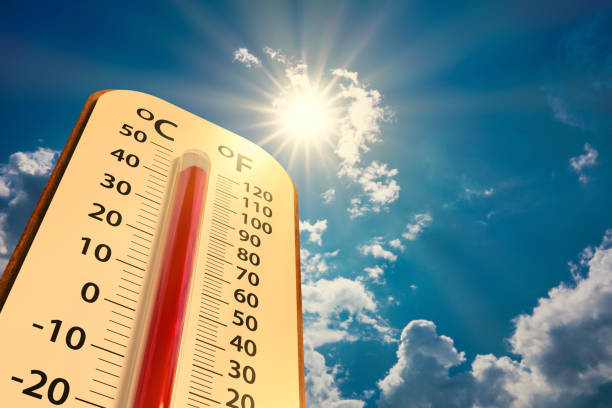
In the first week of August 2025, residents of Gurgaon (Gurugram) experienced a baffling weather twist. Just hours before a predicted monsoon downpour, temperatures spiked by nearly 5°C, pushing the mercury to an unbearable 44°C, one of the highest for the season. Then, almost suddenly, the skies broke into rain.
Was it a weather fluke—or a warning sign?
What Caused the Temperature Surge?
1. Dry Heat Trap Before Rainfall
Before monsoon rains, hot air masses compress as low-pressure systems approach, raising surface temperatures.
Lack of early cloud cover means full sun radiation, causing a rapid spike.
2. Urban Heat Island Effect
Gurgaon’s rapid urbanization, concrete surfaces, and reduced green cover absorb and retain heat.
The city acts like a heat reservoir, especially in the absence of rain.
3. Delayed Monsoon Front
A pause in the advancing monsoon trough stalled cloud formation.
This intensified ground heating, leading to a short-term localized heatwave.
The Rain That Followed
By evening, towering cumulonimbus clouds formed over NCR.
The heat and moisture triggered thunderstorm activity, leading to a sharp temperature drop of 8–10°C within an hour.
But this dramatic weather change came with strong winds, waterlogging, and traffic chaos.
Why This Is a Climate Warning
More Frequent Temperature Spikes: Such events weren’t common earlier in the monsoon season.
Shorter, Violent Transitions: Sharp contrasts between heat and rain increase the risk of urban flooding and infrastructure stress.
Health Risk: Sudden temperature swings impact respiratory and cardiovascular health, especially among the elderly and children.
What Can Be Done?
Expand green cover and urban forestry to reduce the Urban Heat Island impact.
Improve weather communication systems to issue micro-climate warnings.
Use reflective surfaces and cool roofs in city planning to minimize heat buildup.
Encourage public awareness about hydration, staying indoors, and safety during such surges.
Final Word
The 5°C rise in Gurgaon just before the rain is not just a weather oddity—it’s a symptom of how cities and climate are clashing. As India’s cities grow vertically and heat horizontally, the margins between comfort and crisis are shrinking fast.
Understanding events like these is crucial for future-proofing urban living in a warming world.
Published on : 2nd August
Published by : SMITA
www.vizzve.com || www.vizzveservices.com
Follow us on social media: Facebook || Linkedin || Instagram
🛡 Powered by Vizzve Financial
RBI-Registered Loan Partner | 10 Lakh+ Customers | ₹600 Cr+ Disbursed