

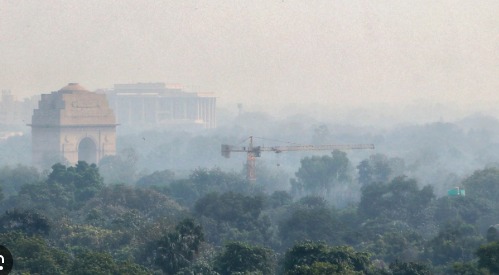
A new global climate-risk ranking has placed India at 9th position, signalling that the world’s most populous nation continues to face severe climate vulnerabilities.
From heatwaves and floods to landslides, cyclones and crop failures, India is already experiencing the front-line realities of climate disruption.
This ranking is more than a statistical spot — it is a reminder of the scale, speed and human cost of climate-linked disasters unfolding across the country.
Why India’s Climate-Risk Rank Matters Right Now
1. A Population of 1.4 Billion in the Line of Impact
India’s climate exposure affects more people than nearly any other country.
When heatwaves intensify or floods hit, the human toll multiplies due to India’s dense cities and agricultural dependence.
2. Lives Lost Are Rising Each Year
Over recent decades, storms, heatwaves, floods and droughts have caused tens of thousands of deaths.
Low-income groups — farmers, fisherfolk, daily-wage earners — face the worst consequences.
3. Economic Damage Is Accelerating
Climate-linked losses are hitting:
Agriculture
Transport infrastructure
Power grids
Coastal industries
Insurance systems
Economic studies estimate billions of dollars in losses annually, with the number rising faster than ever.
4. The Ranking Reflects Both Exposure and Unpreparedness
India’s vulnerabilities are not only due to geography but also due to:
Urban flooding
Illegal riverbank constructions
Pollution
Poor drainage systems
Heat-prone cities with minimal green cover
The ranking highlights systemic gaps, not just natural hazards.
What Disasters Are Driving India’s High-Risk Position?
1. Extreme Heatwaves
Cities like Delhi, Jaipur, Nagpur and Ahmedabad regularly hit 45–50°C, pushing heatstroke deaths upward.
2. Flash Floods and Urban Deluges
In the past few years, major metros — Mumbai, Chennai, Bengaluru, Delhi — have faced crippling floods from short but intense rainfall bursts.
3. Cyclones Intensifying Along Both Coasts
The Bay of Bengal and Arabian Sea are seeing stronger, more frequent cyclones due to warming sea temperatures.
4. Himalayan Landslides and Glacial Risks
Uttarakhand, Himachal Pradesh and Sikkim are recording a dangerous spike in:
Landslides
Cloudbursts
Glacial lake outburst floods (GLOFs)
5. Crop Losses Linked to Weather Extremes
Unpredictable rainfall and rising temperatures have impacted yields of wheat, rice, sugarcane and pulses — affecting national food security.
The Human Toll: A Hidden Crisis
Behind the ranking are communities that face the daily impacts:
Farmers losing crops during erratic monsoons
Migrant workers exposed to heat without safety measures
Slum clusters submerged during flooding
Coastal families relocating due to erosion
Children and elderly suffering respiratory illnesses from pollution and heat
India’s climate story is not only environmental — it is economic, social and deeply human.
Where India’s Preparedness Still Falls Short
1. Disaster Response Over Prevention
India often reacts after disasters, rather than investing enough in climate-proof infrastructure.
2. Poor Urban Planning
Unregulated construction, encroachments and weak drainage systems make cities extremely vulnerable.
3. Low Climate Insurance Penetration
Most households and small businesses have no insurance coverage against extreme-weather damage.
4. Limited Public Awareness
Heatwave protocols, flood advisories and cyclone alerts are not uniformly understood or followed.
5. Slower Transition to Climate-Resilient Agriculture
Farmers face delayed support for:
Drought-resistant seeds
Rainwater harvesting
Early warning systems
Crop diversification
What India Must Do Next
Experts point toward key reforms that can shift India from reactive to resilient:
1. Heat-Resilient Infrastructure
Reflective roofs, shaded streets, cooling centers and redesigned cities are crucial.
2. Flood-Ready Cities
Drainage upgrades, wetland conservation and floodplain zoning must become non-negotiable.
3. Climate-Adaptive Agriculture
Smarter irrigation, crop insurance and weather-based forecasting can protect farmers.
4. Stronger Early-Warning Systems
Using sensors, satellites and AI models to predict:
Landslides
Storm surges
Cyclone behavior
Urban flooding patterns
5. National Climate-Health Framework
India needs policies linking health, heat stress, pollution and emergency medical support.
Conclusion
India being ranked 9th in climate risk is not just a data point — it is a warning.
A warning that the country’s size, population density and climate dependencies make it uniquely vulnerable.
As extreme-weather events become more frequent and severe, India’s challenge will be to combine climate science, urban planning, and community resilience into a long-term national strategy.
The ranking matters because it reflects the future:
A future that depends on how fast India adapts, reforms and builds climate defenses before the next disaster arrives.
FAQs
Q1. Why is India ranked 9th in climate risk?
A: Due to high exposure to heatwaves, floods, cyclones, landslides and economic vulnerability.
Q2. Which regions of India are most affected?
A: Coastal states, Himalayan regions, major metros and drought-prone interiors.
Q3. How does climate risk affect India’s economy?
A: It impacts agriculture, infrastructure, transport, health systems and productivity.
Q4. Are climate disasters increasing in India?
A: Yes, both frequency and severity are rising due to global warming.
Q5. What can India do to reduce climate risk?
A: Build resilient cities, improve early-warning systems, climate-adapt agriculture and strengthen environmental governance.
Published on : 13th November
Published by : SMITA
www.vizzve.com || www.vizzveservices.com
Follow us on social media: Facebook || Linkedin || Instagram
🛡 Powered by Vizzve Financial
RBI-Registered Loan Partner | 10 Lakh+ Customers | ₹600 Cr+ Disbursed