

India’s recent decision to tighten restrictions on jute product imports from Bangladesh has sparked diplomatic ripples. While Dhaka blames protectionism, New Delhi points to two key reasons: increasing export irregularities and Bangladesh’s growing proximity to China—which is altering regional trade dynamics.
🇮🇳 The Immediate Trigger: Export Malpractices
Indian officials have flagged:
Undervaluation of jute goods to dodge import duties.
Misuse of tariff preferences under SAFTA.
Alleged diversion of third-country origin jute through Bangladeshi channels.
Non-compliance with quality standards, hurting India’s domestic jute sector.
🇧🇩 Dhaka’s Beijing Tilt: A Strategic Red Flag for Delhi
While economic ties between Bangladesh and China have grown steadily over the past decade, recent military cooperation, infrastructure investments, and tech partnerships have raised eyebrows in New Delhi.
Key developments include:
China’s deepening presence in the Bay of Bengal via Bangladeshi ports.
Rising Chinese FDI in Bangladesh’s export and logistics hubs.
Defence equipment deals and cyber-surveillance projects.
India views these moves as an indirect challenge to its economic and strategic interests in South Asia.
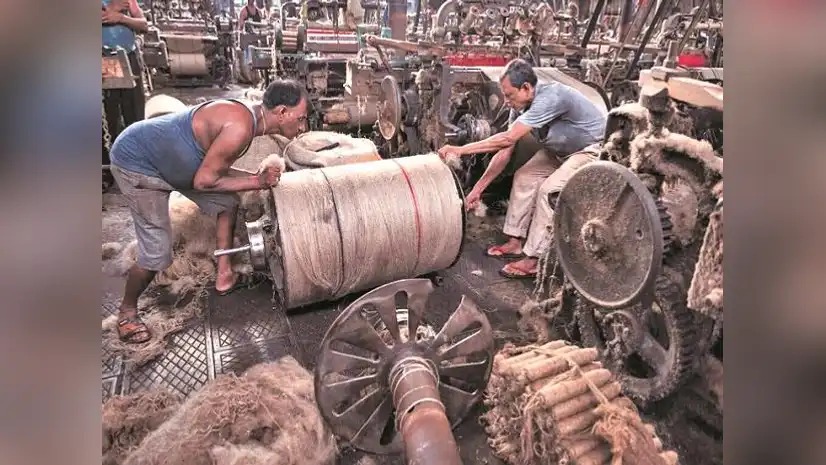
🧵 Impact on India’s Jute Industry
India’s jute sector—primarily concentrated in West Bengal—has long complained about:
Unfair pricing by Bangladeshi exporters.
Flooding of Indian markets with low-cost, subsidized jute goods.
Pressure on MSME jute mills and rural livelihoods.
These new import restrictions aim to protect domestic producers and deter unethical trade practices.
🔍 FAQs
Q1: Why did India impose curbs on jute imports from Bangladesh?
A: Due to rising concerns over undervaluation, quality issues, and misuse of trade benefits under SAFTA. Geopolitical factors like Bangladesh’s closeness to China also played a role.
Q2: How is China connected to this issue?
A: India is wary of China’s strategic investments and influence in Bangladesh, especially in logistics, ports, and digital infrastructure, which may pose long-term regional challenges.
Q3: Will this impact trade relations between India and Bangladesh?
A: Yes, tensions may rise, but both nations are expected to engage in dialogue. India has clarified that the measures are meant to ensure fair trade and protect domestic industry.
Q4: Are Indian jute farmers and manufacturers benefiting from the curbs?
A: The move is expected to support domestic production and stabilize prices, giving relief to Indian jute MSMEs and workers.
published on 1st july
Publisher : SMITA
www.vizzve.com || www.vizzveservices.com
Follow us on social media: Facebook || Linkedin || Instagram
🛡 Powered by Vizzve Financial
RBI-Registered Loan Partner | 10 Lakh+ Customers | ₹600 Cr+ Disbursed.