

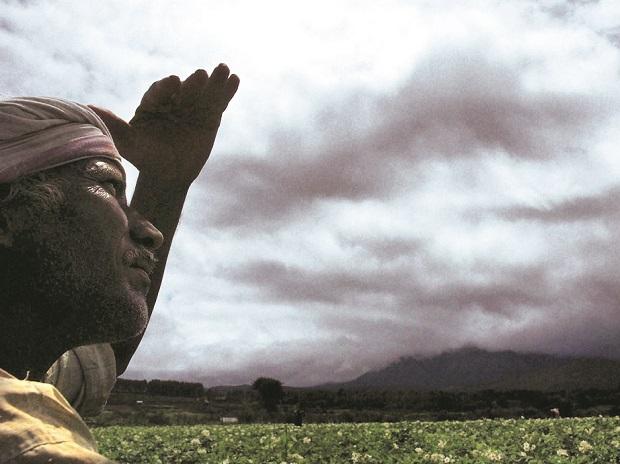
India's monsoon has always been the heartbeat of the nation’s agriculture — but in recent years, something is changing. The rains are becoming unpredictable, extreme, and often destructive. For millions of farmers whose lives depend on rainfall patterns, this shift is not just a weather concern — it's a financial and survival crisis.
Let’s break down what’s changing, why it’s happening, and how Vizzve Finance believes Indian farmers can adapt and secure their future.
The Monsoon Puzzle: What’s Changing?
India's monsoon no longer follows its reliable rhythm. Instead, it’s showing:
Delayed onset or early withdrawal
Sudden cloudbursts and localized floods
Prolonged dry spells in the middle of the season
Unseasonal rains during harvest time
These erratic patterns create planning chaos for farmers — and often result in crop losses, debt, and distress migration.
Climate Change Is the Core Culprit
According to the Indian Meteorological Department and global climate models:
Warming Indian Ocean disrupts wind patterns crucial for monsoon movement.
Melting Himalayan glaciers alter upper-air circulation.
El Niño events are becoming more frequent, weakening monsoon strength.
Increased CO₂ levels are leading to more intense but shorter spells of rain.
In short: the monsoon is not dying, but it is becoming less reliable and more violent.
What This Means for Indian Farmers
Unpredictable sowing windows:
Without clear rain onset, farmers struggle to decide when to plant crops.
Yield loss from floods or dry spells:
Sudden rains can drown crops; long dry spells can dry them out.
Increased input costs:
More water pumps, seed re-sowing, and pest control drive up debt.
Loan defaults:
Crop loss due to rain leads to missed EMI payments and credit stress.
Migration from agriculture:
Many smallholders are quitting farming altogether — worsening rural unemployment.
The Financial Fallout (Vizzve Insights)
At Vizzve Finance, our rural credit assessments show a pattern:
Loan requests spike after extreme weather events
Insurance claims are delayed due to policy confusion
Credit scores drop when farmers default on seasonal loans
Youth in farming families are shifting to urban gig jobs
The Way Forward: Adapting to a New Monsoon
Weather-Linked Crop Planning:
Farmers need access to hyperlocal weather forecasts and adaptive sowing calendars.
Insurance Literacy:
Crop insurance under PMFBY or private options must be simplified and actively used.
Diversification of Income:
Poultry, dairy, or solar farming can reduce overdependence on monsoons.
Access to Emergency Credit:
Financial products that offer fast loans for crop recovery can reduce long-term damage.
Rainwater Harvesting & Micro-Irrigation:
Conserving every drop will be key to resilience.
Final Words
India’s changing monsoon is more than a climate issue — it’s a rural financial emergency. If left unaddressed, this trend could widen inequality, deepen agrarian distress, and weaken India’s food security.
With smart policies, better access to credit, insurance, and tech-based forecasts, farmers can adapt to the new normal. The time to act is now — and Vizzve is ready to support rural India’s fight against climate disruption.
Published on : 4th August
Published by : SMITA
www.vizzve.com || www.vizzveservices.com
Follow us on social media: Facebook || Linkedin || Instagram
🛡 Powered by Vizzve Financial
RBI-Registered Loan Partner | 10 Lakh+ Customers | ₹600 Cr+ Disbursed