

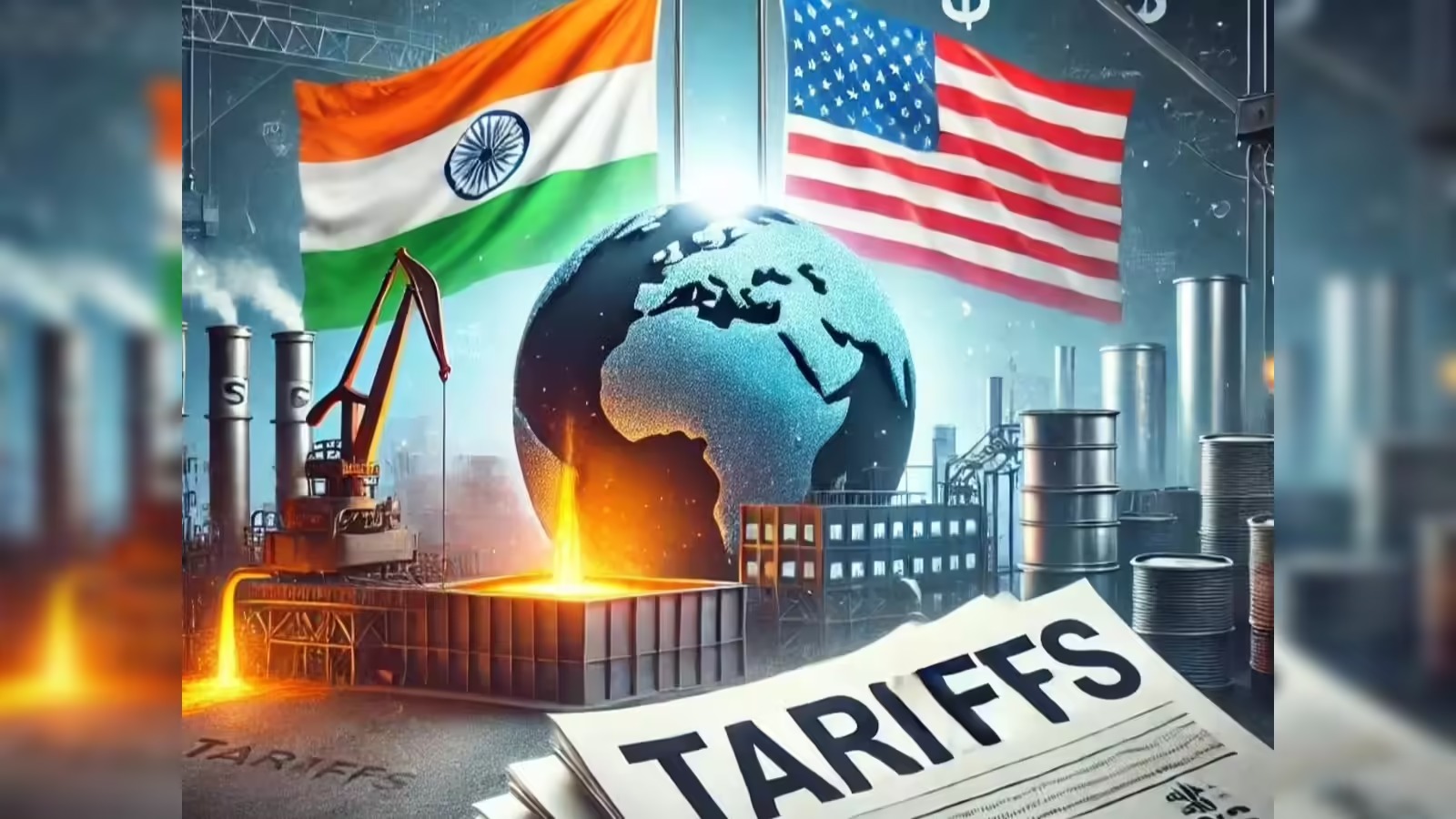
Global markets are tense again — and once more, the Indian Rupee is under pressure. With the U.S. threatening or imposing new tariffs on imports from India, the Rupee’s vulnerability is making headlines. But what does this mean for you, your savings, and your future purchases?
Let’s break it down, the Vizzve way.
🧾 What’s Happening?
The U.S. is reviewing or increasing tariffs on certain Indian goods, citing trade imbalances and market access restrictions. These tariffs make Indian exports like textiles, pharmaceuticals, and IT services more expensive and less competitive in the U.S. market.
This means fewer exports → less dollar inflow → more demand for the U.S. dollar → weaker Rupee.
📉 Why Is the Rupee Falling?
Here’s why the Rupee reacts sharply to U.S. tariff announcements:
Reduced Export Income: India earns fewer dollars from exports, and that reduces foreign exchange reserves.
Increased Trade Deficit: Imports stay high (we still need oil and tech), but exports drop — creating an imbalance.
Investor Nervousness: Global investors fear instability and pull money out of Indian markets.
Stronger Dollar Globally: A tariff-heavy U.S. signals economic strength, which further boosts the dollar index.
📦 Real-Life Impact: What It Means for You
1. Imported Goods Get Pricier
Electronics, phones, laptops, even imported food — expect prices to climb.
2. Travel Abroad Becomes Costlier
Dollar exchange rates may jump, making your international trip or overseas education more expensive.
3. Fuel Prices May Rise
Since India buys oil in dollars, a weak Rupee means we pay more in INR for every barrel.
4. Inflation Could Hit Savings
Day-to-day goods and services might see inflation — eating into your household budget and savings.
💼 Vizzve Finance Tip: How to Stay Protected
Vizzve recommends preparing for Rupee volatility just like you’d prepare for a monsoon. Here’s how:
✅ Create a Dollar-Shock Emergency Fund
Hold 3–6 months of essential expenses in liquid funds to handle inflation spikes.
✅ Diversify Your Investments
Don’t put all your money into one asset. Explore mutual funds with international exposure.
✅ Hedge Currency Risks
If you’re a freelancer or run an export-based business, look into forward contracts and dollar-based income buffers.
✅ Use Microloans Wisely
Need to buy a new phone before prices jump? Vizzve’s flexible, low-interest microloans help you bridge the gap smartly.
📊 Vizzve Insight: INR vs USD Snapshot
| Year | INR/USD Avg Exchange Rate |
|---|---|
| 2020 | ₹74.13 |
| 2022 | ₹77.58 |
| 2024 | ₹83.30 (approx) |
| 2025 | 📉 Heading to ₹85+? |
❓FAQs
Q1. Are U.S. tariffs permanent?
No, they can change with new trade negotiations, but uncertainty still affects currency markets.
Q2. How do I protect long-term savings from Rupee depreciation?
Diversify! Use a mix of domestic and foreign market-linked investments like global mutual funds or ETFs.
Q3. Should I take a loan now if prices are set to rise?
If you have a critical need — yes. But only after evaluating your repayment capacity. Vizzve can help you calculate smart EMI options.
Q4. Is this a good time to invest in USD-denominated assets?
Yes, if you're looking to hedge against Rupee depreciation. But ensure it fits your overall risk profile.
💬 Final Word: Rupee Down? Power Up with Vizzve
The world’s economy is unpredictable — but your finances don’t have to be. At Vizzve, we simplify complex macroeconomic trends and offer real tools for real people. Whether it’s understanding trade wars or choosing the right loan, we’ve got your back.
👉 Talk to Vizzve today. Smart finance starts now.
Published on : 9th July
Published by : SMITA
www.vizzve.com || www.vizzveservices.com
Follow us on social media: Facebook || Linkedin || Instagram
🛡 Powered by Vizzve Financial
RBI-Registered Loan Partner | 10 Lakh+ Customers | ₹600 Cr+ Disbursed.