

India continues to feature prominently on global debt rankings, with the World Bank highlighting its rising external and domestic borrowing. While debt is a vital tool for financing growth, it also comes with fiscal pressures, macroeconomic implications, and strategic considerations — especially in the context of climate change and sustainability commitments.
As India embarks on massive infrastructure projects, renewable energy transitions, and disaster resilience programs, borrowing decisions are increasingly guided not just by growth needs but by climate imperatives.
1. India’s Debt Position
According to the latest World Bank data:
India’s public debt-to-GDP ratio hovers around 70–75%, with external debt accounting for roughly 20% of total government liabilities.
Domestic debt dominates, primarily through market borrowings via government securities and loans from financial institutions.
Fiscal deficits and ambitious spending on social welfare, infrastructure, and energy projects continue to drive borrowing requirements.
Despite this high debt level, India maintains a stable credit profile, thanks to a diversified investor base and a robust domestic financial market.
2. Climate Imperatives and Borrowing
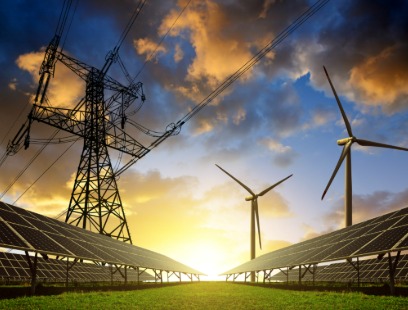
India’s climate commitments under the Paris Agreement and national initiatives like National Solar Mission and Green Energy Corridors are shaping borrowing strategies:
a. Green Bonds and Sustainable Finance
The government and financial institutions are increasingly issuing green bonds to fund renewable energy projects, electric mobility infrastructure, and energy-efficient urban development.
b. Climate-Linked Conditional Loans
Multilateral institutions, including the World Bank and Asian Development Bank, are offering loans linked to climate goals, ensuring that borrowing aligns with sustainable development.
c. Disaster Resilience Financing
Frequent climate-related events — floods, cyclones, and droughts — necessitate contingency borrowing for relief, reconstruction, and adaptation measures.
These measures indicate that debt is no longer just a fiscal tool but a lever for climate action and sustainable development.
3. Challenges of High Borrowing
While borrowing enables growth and climate investments, it comes with risks:
Interest payment burdens can constrain future fiscal space.
Currency volatility affects external debt repayment.
Crowding-out effects may increase domestic borrowing costs for private enterprises.
Climate-related financial risk: Extreme weather events could escalate costs, stressing both public finances and debt sustainability.
Hence, strategic debt management is critical to balance growth, sustainability, and macroeconomic stability.
4. Policy Measures and Market Solutions
India is actively implementing measures to manage debt efficiently while supporting climate initiatives:
Fiscal Responsibility and Budget Management (FRBM) frameworks help maintain sustainable deficits.
Market reforms improve liquidity, yield curve stability, and investor confidence.
Blended finance models combine concessional loans, green bonds, and private capital for renewable energy and adaptation projects.
State-level green borrowing enables states to fund renewable energy and climate-resilient infrastructure directly.
This integration of fiscal prudence and climate-focused borrowing is unique among emerging economies.
5. The Broader Implications
India’s position atop the debt charts is a reflection of rapid development ambitions, domestic credit market maturity, and climate-conscious investment planning.
Implications include:
Strengthened credibility with multilateral lenders.
Enhanced investment in renewable energy and resilient infrastructure.
A roadmap for other emerging economies on linking debt with climate action.
Strategically, India demonstrates that debt can be a growth enabler when paired with climate and sustainability objectives.
💬 FAQs :
1. Why does India have high debt according to the World Bank?
High public and external borrowings are driven by infrastructure investment, social welfare programs, and climate-related initiatives.
2. How does climate action influence India’s borrowing?
Borrowing is increasingly linked to green bonds, renewable energy projects, and disaster resilience funding, aligning debt with sustainability goals.
3. Is India’s debt sustainable?
Yes. A strong domestic investor base, diversified funding sources, and fiscal management frameworks support sustainable debt levels.
4. What are green bonds?
Green bonds are debt instruments whose proceeds are exclusively used for environmentally sustainable projects, such as renewable energy and energy efficiency.
5. How does borrowing affect the Indian economy?
It funds growth and infrastructure but requires careful management to avoid high interest burdens, inflationary pressure, and fiscal stress.
Published on : 14th October
Published by : SMITA
www.vizzve.com || www.vizzveservices.com
Follow us on social media: Facebook || Linkedin || Instagram
🛡 Powered by Vizzve Financial
RBI-Registered Loan Partner | 10 Lakh+ Customers | ₹600 Cr+ Disbursed
https://play.google.com/store/apps/details?id=com.vizzve_micro_seva&pcampaignid=web_share