

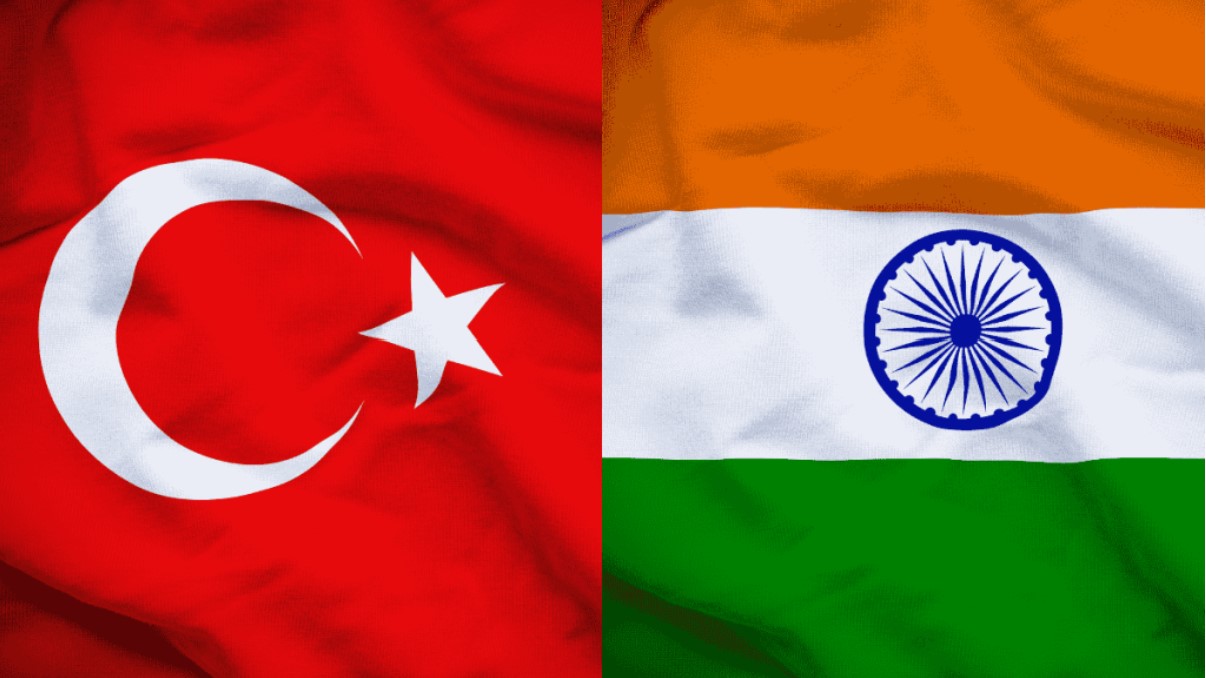
Why India Won’t Ban Turkish Imports Worth $2.99 Billion Despite Boycott Calls
Amid growing domestic anger and increasing calls to boycott Turkish goods, India has chosen not to impose an official ban on imports from Turkey, which are currently valued at $2.99 billion. While this stance has led to questions and debates, the government’s decision reflects a calculated blend of economic pragmatism, diplomatic strategy, and long-term policy planning.
1. Economic Interdependence
India imports several key commodities from Turkey, including:
Marble and decorative stones
Gold and precious metals
Fresh produce such as apples and figs
Mineral oils and chemicals
While Turkish imports make up less than 1% of India’s overall import volume, these goods serve essential industrial and consumer sectors. An immediate ban could disrupt supply chains, lead to increased costs for Indian industries, and create pressure on domestic markets.
2. Trade Balance and Export Opportunities
India’s exports to Turkey exceed its imports, standing at over $5 billion annually. This creates a positive trade balance in India’s favor. Restricting Turkish imports could prompt reciprocal actions from Turkey, potentially damaging India’s growing export markets in Europe and West Asia.
3. Diplomatic Leverage and Strategic Restraint
Turkey’s open support for Pakistan, particularly during sensitive geopolitical situations like military operations in Kashmir, has strained relations with India. However, rather than retaliating with a full trade ban, India has chosen subtle diplomatic responses, such as:
Delaying diplomatic appointments
Revoking licenses for Turkish firms operating in India
Minimizing bilateral meetings and engagement
By avoiding drastic trade actions, India maintains flexibility and avoids shutting down future dialogue, keeping open the possibility of influencing Turkey through international diplomacy and multilateral forums.
4. Impact of Boycott Calls and Public Sentiment
Public sentiment has turned sharply against Turkish goods. Traders in various cities, including Prayagraj, have self-imposed boycotts affecting products like:
Turkish apples and dried fruits
Marble and jewelry
Chocolates, coffee, and clothing brands
E-commerce platforms have removed Turkish-origin products, and social media campaigns using hashtags like #BoycottTurkey have gained significant traction. However, these are voluntary and not government-imposed measures.
5. Geopolitical Stability Over Reactionary Measures
India’s foreign policy often emphasizes strategic autonomy and long-term interests over short-term public pressures. The government’s restraint in banning Turkish imports aligns with its broader goal of maintaining stable international relations, even with nations that have divergent political stances.
Frequently Asked Questions (FAQs)
Q1: Why are people in India calling for a boycott of Turkish products?
A: Boycott calls intensified after Turkey expressed political and military support for Pakistan during sensitive events like Operation Sindoor. Many Indians view this as interference in India’s internal affairs.
Q2: What does India import from Turkey?
A: Key imports include marble, gold, apples, mineral oils, dried fruits, and consumer goods such as textiles and fashion accessories.
Q3: Is the Indian government planning to ban Turkish imports?
A: No official ban has been announced. While public and corporate boycotts are underway, the government has adopted a strategic and cautious approach instead of imposing a formal ban.
Q4: How have Indian businesses responded to Turkey's stance?
A: Many traders and e-commerce platforms have voluntarily removed Turkish products. Companies are aligning with national sentiment, especially in politically sensitive sectors.
Q5: What are the risks of banning Turkish imports?
A: A sudden ban could disrupt supply chains, hurt Indian exporters due to retaliatory actions, and reduce India’s diplomatic leverage. It may also affect consumer choice and pricing.
Conclusion
India’s decision to continue importing goods from Turkey, despite widespread boycott demands, underscores a deliberate, long-term strategy rooted in economic stability and geopolitical restraint. While public sentiment is clear, the government is choosing to manage the situation through measured diplomatic and economic means, ensuring national interest without triggering unnecessary disruptions.
www.vizzve.com || www.vizzveservices.com
Follow us on social media: Facebook || Linkedin || Instagram
Published on : JUNEB 9th , 2025
Uploaded by : PAVAN
www.vizzve.com || www.vizzveservices.com
Follow us on social media: Facebook || Linkedin || Instagram