

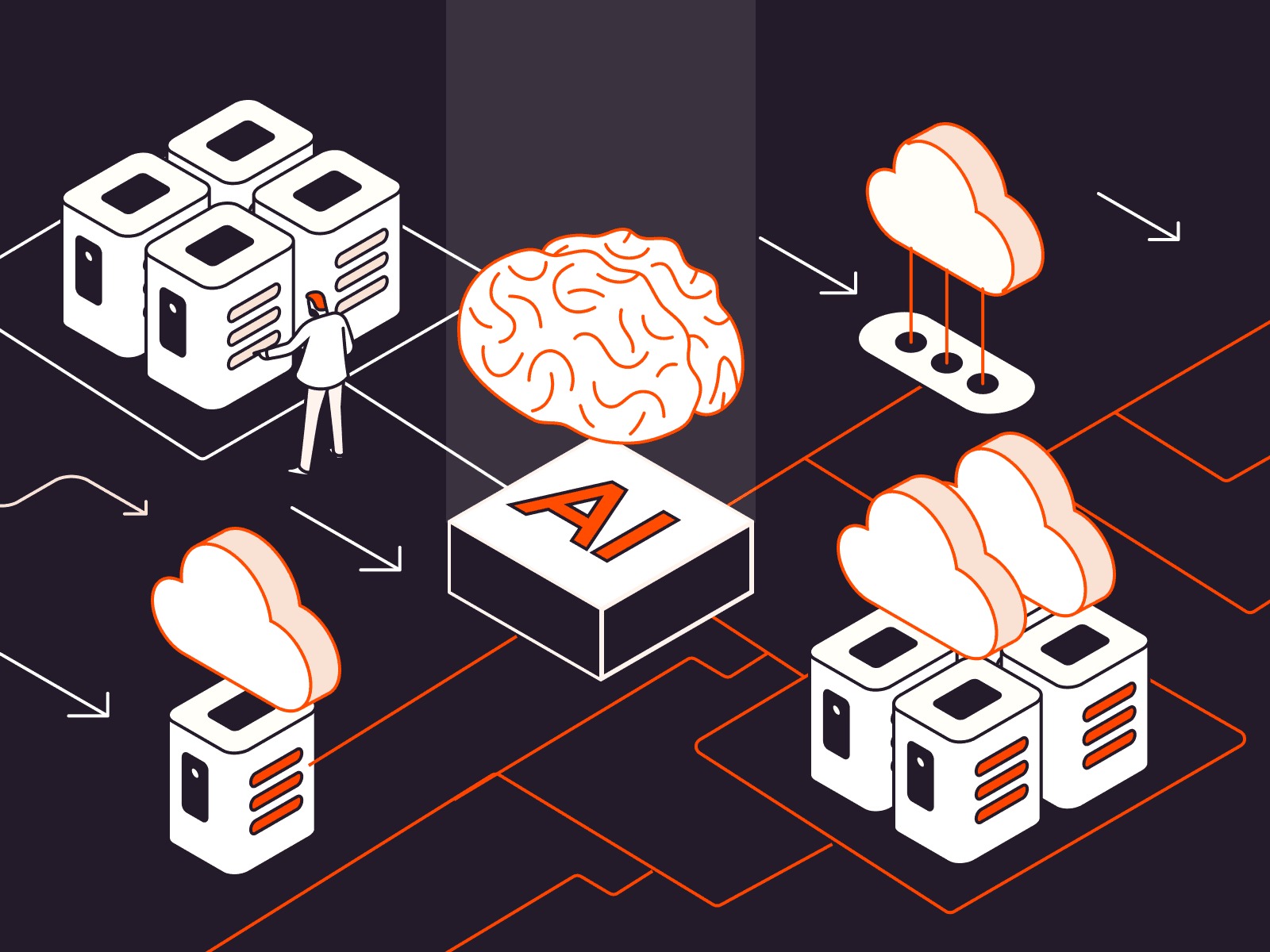
Foundation models, such as large language models (LLMs) and multimodal AI systems, have transformed AI applications across industries. While these models capture public attention for their capabilities, their underlying infrastructure is equally critical.
Investing in the infrastructure beneath foundation models ensures:
Scalability for billions of parameters
Performance efficiency for real-time applications
Security and reliability for enterprise use
Why Infrastructure Investment is Vital
High Computational Demands:
Foundation models require massive GPU/TPU clusters and high-speed interconnects.
Without proper infrastructure, training and inference become slower and costlier.
Data Storage and Management:
Models are trained on terabytes or petabytes of data, requiring efficient storage, retrieval, and preprocessing pipelines.
Proper infrastructure reduces bottlenecks and enhances model accuracy.
Energy Efficiency and Sustainability:
Large-scale models consume enormous power. Investing in energy-efficient hardware and cooling systems is crucial for sustainability.
Security and Reliability:
Critical for sensitive applications in healthcare, finance, and government.
Redundant, secure infrastructure prevents data loss and downtime.
Support for Innovation:
Robust infrastructure allows researchers and developers to experiment faster, deploy models efficiently, and scale AI products to new domains.
Consequences of Neglecting Infrastructure
Slower Development Cycles: Model training and iteration slow down.
Higher Costs: Inefficient infrastructure increases operational expenses.
Limited Accessibility: Smaller organizations or startups may struggle to use large models without proper infrastructure support.
Security Vulnerabilities: Weak infrastructure can expose sensitive data to breaches or attacks.
Key Areas for Infrastructure Investment
Compute Hardware: GPUs, TPUs, and high-performance CPUs.
Data Pipelines: Efficient storage, ETL, and preprocessing systems.
Networking: High-bandwidth, low-latency interconnects for distributed training.
Energy & Sustainability: Renewable energy sources, liquid cooling, and energy-optimized chips.
Security & Compliance: Encryption, access controls, and regulatory compliance systems.
FAQ
Q1: What are foundation models?
Foundation models are large-scale AI models trained on broad data to perform various downstream tasks like language understanding, image recognition, or multimodal applications.
Q2: Why is infrastructure important for these models?
Robust infrastructure enables scalable training, efficient inference, security, and cost management, all critical for deploying foundation models effectively.
Q3: Can small organizations leverage foundation models without investing heavily in infrastructure?
Yes, via cloud-based services and model APIs, but investment in infrastructure provides control, performance, and long-term cost efficiency.
Q4: How does infrastructure investment affect AI innovation?
Better infrastructure accelerates research, experimentation, and deployment, enabling more advanced AI products and services.
Q5: Is energy efficiency a concern?
Yes, foundation models consume significant energy; infrastructure investment in energy-efficient systems is essential for sustainable AI.
Conclusion
Investing in the infrastructure beneath foundation models is not optional—it is essential for performance, scalability, security, and innovation. As AI continues to transform industries, organizations that prioritize infrastructure will gain a competitive edge, ensuring efficient, reliable, and sustainable AI deployment.
Published on : 10th September
Published by : SMITA
www.vizzve.com || www.vizzveservices.com
Follow us on social media: Facebook || Linkedin || Instagram
🛡 Powered by Vizzve Financial
RBI-Registered Loan Partner | 10 Lakh+ Customers | ₹600 Cr+ Disbursed
https://play.google.com/store/apps/details?id=com.vizzve_micro_seva&pcampaignid=web_share