

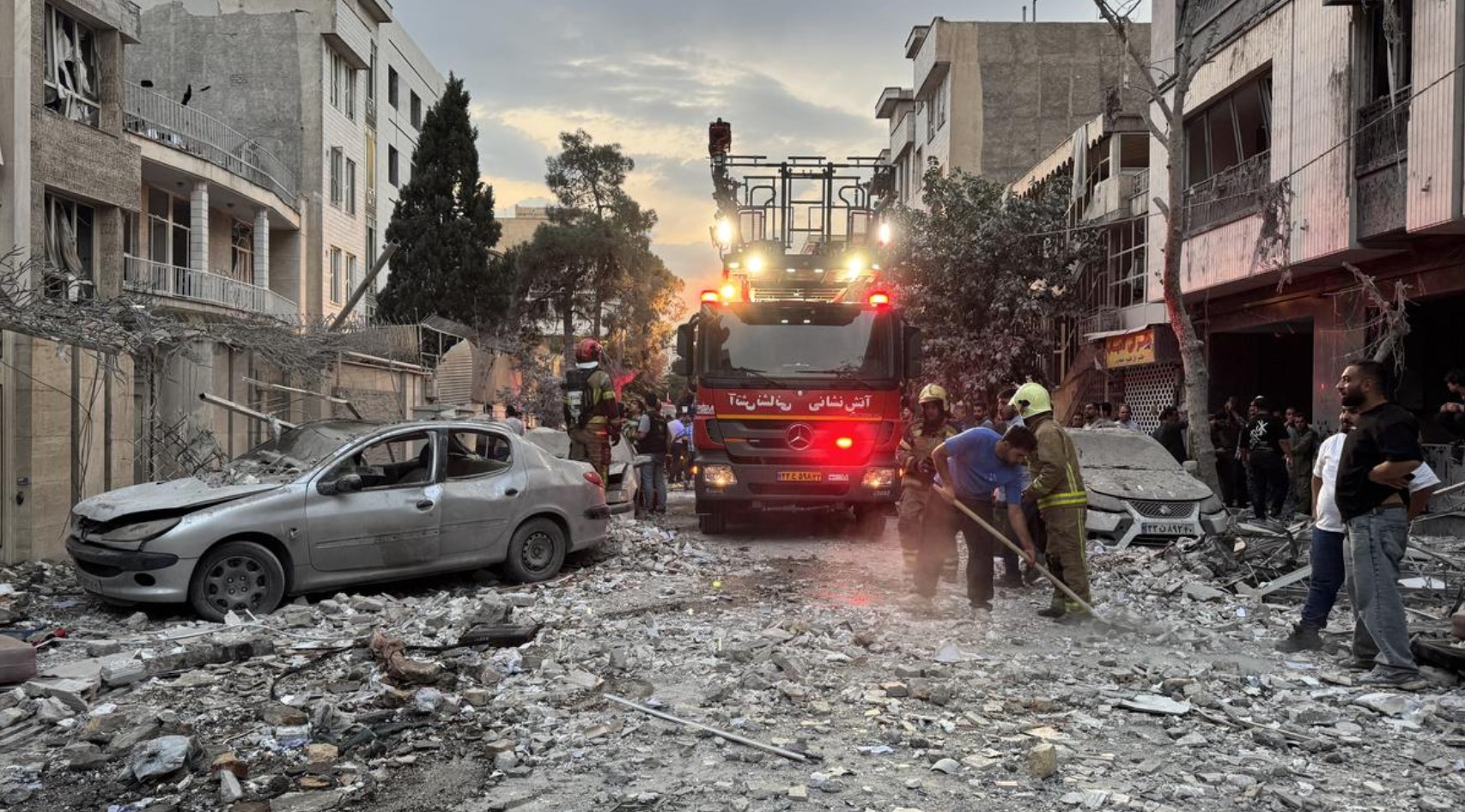
Why Israel Struck Iran: Understanding the Key Reasons Behind the Attack
The recent Israeli strikes on Iranian targets have intensified geopolitical tensions in the Middle East. To fully understand this complex conflict, it is essential to examine the key reasons behind Israel’s decision to carry out these attacks.
1. Preventing Iran’s Nuclear Ambitions
One of Israel’s primary motivations is to prevent Iran from developing nuclear weapons. Israel views a nuclear-armed Iran as an existential threat. Striking military and research facilities is a tactic to delay or disrupt Iran’s nuclear program.
2. Countering Iranian Influence in the Region
Iran’s support for proxy groups like Hezbollah in Lebanon and various militias in Syria and Iraq threatens Israel’s security. Israel’s strikes aim to weaken Iran’s regional foothold and disrupt weapons transfers to hostile groups.
3. Retaliation for Iranian Actions
Israel has often cited retaliation for Iranian attacks or plots against Israeli targets worldwide. These strikes send a message that hostile activities will be met with force, maintaining Israel’s deterrence posture.
4. Safeguarding Israeli Security
Israel’s military operations against Iran are also driven by a broader strategy to safeguard its borders and citizens. Preventing cross-border attacks and securing Israel’s airspace and strategic interests are critical objectives.
5. Signaling to International Community
Through these strikes, Israel also signals its resolve to allies and adversaries. It seeks to influence diplomatic negotiations, particularly around Iran’s nuclear deal, by demonstrating the costs of aggressive behavior.
FAQ: Understanding Israel’s Strikes on Iran
Q1: What triggered the latest Israeli strike on Iran?
The strike was reportedly in response to increased Iranian military activities threatening Israel’s security, including weapons transfers and nuclear developments.
Q2: Has Iran responded to the strikes?
Iran typically condemns such attacks and may retaliate indirectly through proxy groups, escalating regional tensions.
Q3: How do these strikes affect the Iran nuclear deal?
Strikes complicate diplomatic efforts, as they increase mistrust and reduce the likelihood of compromise on nuclear restrictions.
Q4: What is Israel’s main security concern regarding Iran?
Israel views Iran’s nuclear program and support for hostile militant groups as direct threats to its national security.
Q5: Are these strikes expected to lead to wider conflict?
While the risk exists, both sides have often acted with caution to avoid full-scale war, though tensions remain high.
Published on: June 17, 2025
Uploaded by: PAVAN
www.vizzve.com || www.vizzveservices.com
Follow us on social media: Facebook || Linkedin || Instagram