

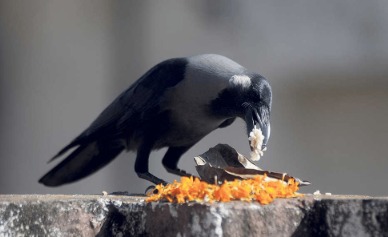
Every year, Nepal marks the beginning of Tihar, the festival of lights, with a fascinating and symbolic celebration called Kak Tihar, also known as Crow Tihar. This festival, which usually falls a day before Laxmi Puja, honors crows — the messengers of the god of death, Yama.
As families across Nepal prepare for lights, diyas, and decorations, the first day is dedicated to these intelligent black birds, reminding everyone of the delicate balance between life, death, and communication with the divine.
When is Kak Tihar Celebrated?
In 2025, Kak Tihar will be celebrated on October 20 (the first day of the Tihar festival).
The five days of Tihar include:
Kak Tihar (Crow Day)
Kukur Tihar (Dog Day)
Gai Tihar & Laxmi Puja (Cow and Goddess Laxmi)
Govardhan Puja (Oxen Day)
Bhai Tika (Brother-Sister Bond Day)
Significance of Kak Tihar
Crows hold deep spiritual symbolism in Hindu tradition. They are believed to be the messengers of Yama, the god of death, and represent ancestors’ souls.
Feeding and honoring crows during Kak Tihar is believed to:
Prevent bad omens or misfortunes.
Bring good luck and harmony to the household.
Symbolize respect toward all living beings — even those often feared or disliked.
🪶 In Nepali culture, crows are also seen as protectors who warn humans of upcoming danger through their distinct cawing.
How Kak Tihar Is Celebrated
On the morning of Kak Tihar, families wake up early and prepare special food offerings for the crows.
Traditional rituals include:
Placing food on rooftops or open spaces — usually rice, sweets, or grains.
Lighting diyas (oil lamps) to honor the spirits.
Chanting prayers for peace and protection from negative forces.
Crows are then invited to eat before humans, symbolizing the start of a new cycle of blessings.
Where It’s Celebrated
Kak Tihar is primarily celebrated in Nepal, but also in some regions of India — especially among Nepali-speaking communities in Sikkim, Darjeeling, and parts of Assam.
In urban areas like Kathmandu, Pokhara, and Lalitpur, families follow the ritual in modern ways, while rural households maintain traditional offerings on rooftops or in courtyards.
Cultural Connection with Nature
Beyond religion, Kak Tihar reflects Nepal’s deep respect for biodiversity.
By feeding crows and acknowledging their role in the ecosystem, this festival reinforces the idea that all creatures — even the smallest — have a sacred purpose.
It’s a beautiful reminder of how spirituality and ecology coexist in South Asian traditions.
FAQs
Q1. What is the meaning of Kak Tihar?
Kak Tihar literally means Crow Festival. It is the first day of Tihar, where crows — believed to be messengers of Yama — are worshipped and fed.
Q2. Why do people worship crows in Nepal?
Because crows are seen as divine messengers and ancestors’ souls, feeding them during Tihar brings peace and prevents misfortune.
Q3. How is Kak Tihar different from Diwali in India?
While Diwali focuses on Goddess Laxmi and lights, Kak Tihar (part of Tihar) emphasizes honoring animals and nature over several days.
Q4. Can tourists witness Kak Tihar?
Yes, visitors in Nepal during Tihar can experience Kak Tihar rituals in public areas, temples, and homes, especially in Kathmandu Valley.
Conclusion
Kak Tihar beautifully embodies Nepal’s unique blend of spirituality, nature, and tradition. By honoring the humble crow, this festival reminds us that every life form — no matter how small — carries divine energy and meaning.
As Tihar begins, Kak Tihar sets the tone for a festival of light, life, and gratitude — a celebration where humans, gods, and animals share the same harmony.
Published on : 18th October
Published by : SMITA
www.vizzve.com || www.vizzveservices.com
Follow us on social media: Facebook || Linkedin || Instagram
🛡 Powered by Vizzve Financial
RBI-Registered Loan Partner | 10 Lakh+ Customers | ₹600 Cr+ Disbursed
https://play.google.com/store/apps/details?id=com.vizzve_micro_seva&pcampaignid=web_share