

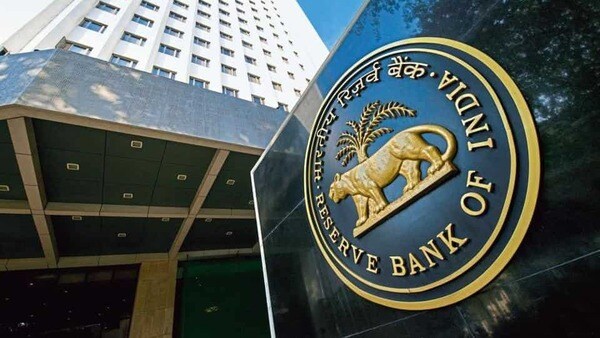
When the Reserve Bank of India (RBI) announces a change in the repo rate, headlines explode. But what does it really mean for you, the investor?
Whether you're investing in mutual funds, FDs, stocks, or real estate, the RBI’s interest rate decisions directly impact your portfolio’s returns.
Let’s break it down — why it matters, how it works, and what you can do.
What is the RBI Repo Rate?
The repo rate is the rate at which RBI lends money to commercial banks.
When RBI increases the repo rate, borrowing becomes costlier.
When RBI cuts the repo rate, loans become cheaper, boosting liquidity.
Think of it as India’s financial thermostat — controlling inflation and growth.
How RBI Interest Rate Affects Your Investments
1. Fixed Deposits (FDs)
📈 If RBI hikes rates, banks offer higher FD interest rates.
📉 If RBI cuts rates, FD returns drop — hurting conservative investors.
💡 TIP: Lock FDs during rising-rate periods to maximize returns.
2. Stock Market & Equity Mutual Funds
Rate Cut → Cheaper loans → Business growth → Stock rally 📈
Rate Hike → Costlier loans → Slowdown → Stock dip 📉
Markets often rally after a cut and correct after a hike — but sentiment and earnings also matter.
3. EMIs and Loans (Home, Car, Personal)
RBI rate hike = higher EMI burden
Rate cut = cheaper borrowing
💡 Review your loan types (fixed vs floating) during rate changes.
4. Debt Mutual Funds
When RBI raises interest rates, bond prices fall, reducing short-term returns.
Long-duration debt funds are most affected.
But new bonds offer higher yields over time.
💡 Shift to shorter-duration funds or dynamic debt funds during rate hikes.
5. Real Estate
Rising interest rates = costlier home loans = lower demand
Falling interest rates = cheaper credit = real estate boost
💡 If you’re planning to buy property, track RBI announcements before locking home loans.
2025 Outlook: RBI Trends
RBI has focused on inflation control, balancing economic growth
Short-term volatility in equity and debt markets expected
Investors should brace for macro-driven moves more than micro stock trends
What Should You Do as an Investor?
| Scenario | What You Should Do |
|---|---|
| RBI Hikes Rates | Lock-in FDs, shift equity SIPs to large-cap or balanced funds |
| RBI Cuts Rates | Refinance loans, invest in equity, review debt fund holdings |
| Market Volatile | Stick to SIPs, avoid panic selling, diversify portfolio |
| Inflation Rises | Add gold ETFs, reduce long-duration debt exposure |
Real-Life Example
Amit, a salaried professional with SIPs in debt funds and a home loan, saw his EMI rise in 2023 due to rate hikes. He:
Switched to a floating interest loan
Shifted from long-duration debt funds to liquid and ultra-short funds
Continued SIPs in equity despite market dips
By adapting to RBI changes, he protected and grew his investments.
FAQs
1. How often does RBI change interest rates?
Usually every two months in its Monetary Policy Committee (MPC) meetings.
2. Should I stop SIPs during a rate hike?
No. SIPs are long-term. Short-term rate changes shouldn’t derail compounding.
3. Do all banks follow RBI repo rate changes?
Most major banks adjust rates accordingly, especially under external benchmark-linked lending.
4. What’s better during high interest — FDs or Debt Funds?
FDs become attractive, but short-term debt funds with quality assets can still offer flexibility and tax efficiency.
Final Thought
RBI’s rate decisions aren't just for economists — they shape your everyday money life.
Whether it’s your:
🏡 Home loan
📊 Mutual fund
🏦 Fixed deposit
📈 Equity portfolio
A smart investor tracks the RBI — and uses each move to optimize returns.
Stay Ahead with Vizzve
Use Vizzve tools to:
Get repo rate alerts
Compare FD vs SIP returns
Track loan EMI changes
Receive investment suggestions based on RBI moves
📲 Join the Vizzve Community and never miss a financial opportunity again.
Published on : 26th July
Published by : SMITA
www.vizzve.com || www.vizzveservices.com
Follow us on social media: Facebook || Linkedin || Instagram
🛡 Powered by Vizzve Financial
RBI-Registered Loan Partner | 10 Lakh+ Customers | ₹600 Cr+ Disburse6