

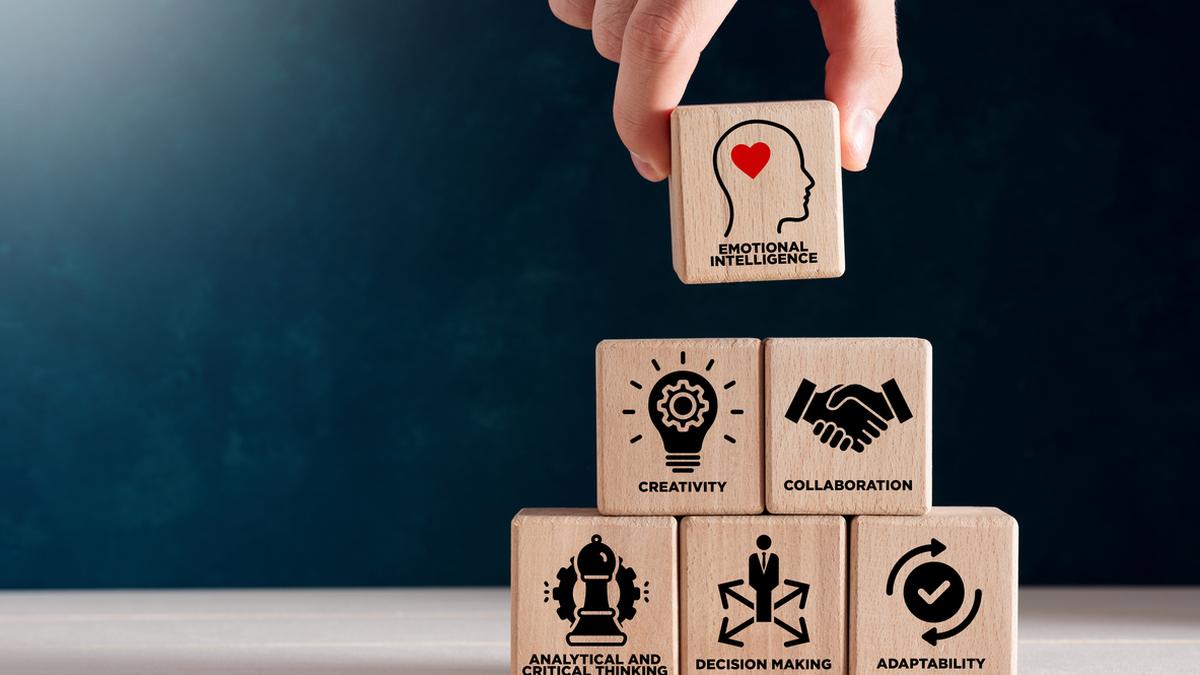
Why Soft Skills Are Essential to Success
In the modern professional world, soft skills have emerged as equally important—if not more so—than technical expertise or formal qualifications. These interpersonal attributes and personal habits facilitate effective communication, teamwork, problem-solving, and leadership, making them vital for sustained success both in careers and life.
What Are Soft Skills?
Soft skills encompass a broad range of personal qualities and social abilities including:
Communication: The ability to convey ideas clearly, listen actively, and engage in constructive dialogue.
Emotional Intelligence: Understanding and managing one’s own emotions and empathizing with others.
Teamwork: Collaborating effectively with colleagues to achieve common goals.
Adaptability: Flexibility in responding to changing environments and learning new skills.
Problem-solving and Critical Thinking: Approaching challenges with creativity and resilience.
Work Ethic and Time Management: Demonstrating reliability, responsibility, and efficient use of time.
Leadership: Inspiring and guiding individuals or teams while managing conflicts and driving performance.
Why Are Soft Skills Crucial for Success?
Enhance Communication and Collaboration: Strong soft skills improve workplace interactions, reducing misunderstandings and fostering cooperation.
Boost Employability: Employers increasingly prioritize candidates with interpersonal skills who can work well in teams and adapt to dynamic work settings.
Build Strong Relationships: Networking, mentorship, and client relations hinge largely on trust and rapport built through soft skills.
Improve Problem Navigation: Soft skills allow individuals to manage stress, resolve conflicts, and think strategically to overcome obstacles.
Support Career Advancement: Leadership roles demand exceptional soft skills to motivate teams, manage change, and influence organizational culture.
Complement Technical Expertise: Even highly skilled professionals can falter without the ability to communicate and collaborate effectively.
Developing Soft Skills
While some soft skills come naturally, many can be cultivated deliberately through practice and feedback:
Participate in team projects and collaborative environments.
Engage in active listening and empathy-building exercises.
Seek mentorship and observe effective communicators and leaders.
Embrace challenges as opportunities to practice adaptability and critical thinking.
Attend workshops or courses focusing on presentation, negotiation, and interpersonal skills.
Frequently Asked Questions (FAQ) About Soft Skills and Success
Q1: What’s the difference between soft skills and hard skills?
Hard skills are technical abilities and knowledge specific to a job, while soft skills involve interpersonal traits and emotional intelligence that influence how you interact with others.
Q2: Can soft skills be learned?
Yes, soft skills can be developed through conscious effort, training, practice, and feedback.
Q3: Why do employers value soft skills?
Because they enhance teamwork, communication, adaptability, and leadership—critical elements for a productive and positive workplace culture.
Q4: Which soft skill is most important for success?
While it varies by context, communication and emotional intelligence are universally foundational soft skills.
Q5: How do soft skills impact career growth?
They enable better collaboration, leadership potential, and problem-solving, helping professionals stand out and earn promotions.
Q6: Are soft skills important outside of work?
Absolutely. They improve personal relationships, community interactions, and overall life satisfaction.
Published on: August 3, 2025
Published by: PAVAN
www.vizzve.com || www.vizzveservices.com
Follow us on social media: Facebook || Linkedin || Instagram
🛡 Powered by Vizzve Financial
RBI-Registered Loan Partner | 10 Lakh+ Customers | ₹600 Cr+ Disbursed