

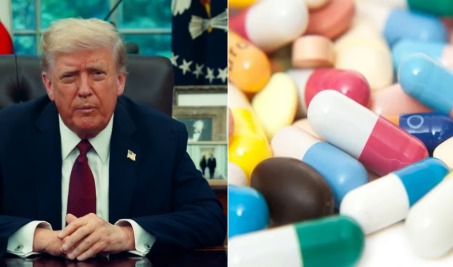
On September 26, 2025, former U.S. President Donald Trump announced a 100% tariff on imported branded and patented pharmaceutical products, effective October 1, 2025. This move aims to bolster domestic pharmaceutical manufacturing in the U.S. by discouraging imports from countries like India, China, and European nations.
While this policy has created concern in the global pharmaceutical industry, Indian drugmakers may not be significantly impacted in the short term. This blog explains why India’s pharmaceutical sector is relatively insulated from these tariffs.
Understanding the Tariff's Scope
The 100% tariff specifically targets branded and patented drugs, which are typically produced by multinational companies and sold at higher prices in the U.S.
The policy exempts generic medicines, which are non-patented and often manufactured in large quantities by Indian companies. India is a global leader in the production of generic drugs, supplying approximately 40% of U.S. demand. In the first half of 2025 alone, Indian pharmaceutical exports to the U.S. amounted to $3.7 billion.
Impact on Indian Pharmaceutical Companies
Given that Indian pharmaceutical companies primarily focus on generic drugs, the immediate impact of the 100% tariff is expected to be minimal. However, there are nuances to consider:
Companies with U.S. Manufacturing Facilities: Firms like Cipla, Dr. Reddy's Laboratories, and Lupin have established plants in the U.S., which may qualify for tariff exemptions.
Companies with Branded Drug Exposure: Firms such as Sun Pharmaceutical Industries, Biocon, and Aurobindo Pharma have some exposure to the U.S. branded drug market. While the tariff does not directly affect their generic exports, their branded product lines could face challenges if the policy expands.
Market Sentiment: Despite the limited immediate impact, investor sentiment has been affected, with pharmaceutical stocks experiencing slight declines.
Long-Term Considerations
While the current policy targets branded drugs, there is uncertainty about potential future expansions. If tariffs extend to complex generics or biosimilars—areas where Indian companies are investing—the impact could be more significant.
The policy may also prompt Indian companies to reassess global supply chains and consider increasing domestic manufacturing to reduce exposure to U.S. trade policies.
Conclusion
India’s pharmaceutical sector is relatively insulated from the immediate effects of the 100% tariff on branded drugs. The country’s stronghold in generic drugs and U.S.-based manufacturing by key players provide a buffer. However, the industry must remain vigilant to adapt to any future changes that could affect exports and operations.
FAQs
Q1: What are Trump’s 100% pharma tariffs?
A1: The U.S. announced a 100% tariff on imported branded and patented drugs, effective October 1, 2025, aimed at encouraging domestic pharmaceutical manufacturing.
Q2: Do these tariffs affect Indian drugmakers?
A2: Indian companies are primarily generic drug manufacturers, which are exempt from these tariffs. As a result, the immediate impact on Indian pharma exports is expected to be minimal.
Q3: Which Indian pharmaceutical companies are most exposed?
A3: Companies with branded drug lines in the U.S., such as Sun Pharma, Biocon, and Aurobindo Pharma, may face challenges if the tariff scope expands.
Q4: How much of the U.S. generic drug market does India supply?
A4: India supplies approximately 40% of U.S. demand for generic medicines, making it a global leader in this segment.
Q5: Do Indian companies have U.S. manufacturing facilities?
A5: Yes. Companies like Cipla, Dr. Reddy’s, and Lupin have plants in the U.S., which may qualify for exemptions from tariffs.
Published on : 26th September
Published by : SMITA
www.vizzve.com || www.vizzveservices.com
Follow us on social media: Facebook || Linkedin || Instagram
🛡 Powered by Vizzve Financial
RBI-Registered Loan Partner | 10 Lakh+ Customers | ₹600 Cr+ Disbursed
https://play.google.com/store/apps/details?id=com.vizzve_micro_seva&pcampaignid=web_share