

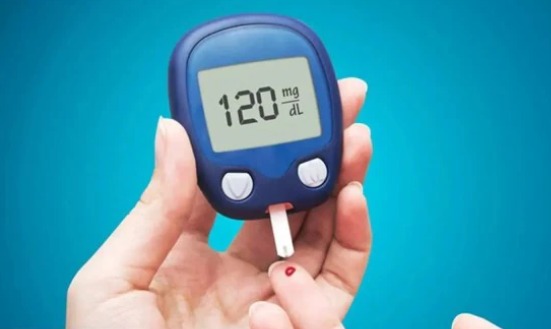
Why Your Doctor Might Recommend Insulin at HbA1c 7.6%
If your HbA1c reading is 7.6%, you may feel it’s “not that bad.” But this value means your average blood sugar is around 170 mg/dL, which is higher than the recommended range for most people with diabetes. Over time, even a moderately high blood sugar can cause damage to the eyes, kidneys, nerves, and heart.
Doctors often suggest insulin therapy not as a punishment but as a protective step — especially if your body isn’t producing or using insulin effectively.
Understanding What HbA1c 7.6% Means
Normal range (non-diabetic): Below 5.7%
Pre-diabetes: 5.7% to 6.4%
Diabetes: 6.5% or higher
So, at 7.6%, your sugar levels are above the target for most diabetics. Many guidelines recommend maintaining HbA1c below 7% to reduce long-term complications.
Why Insulin Might Be Needed Even If You Feel Fine
Lifestyle and oral medications may not be enough:
Sometimes, despite diet and pills, blood sugar remains elevated. Insulin helps bring it under control faster and safely.
Protecting organs from hidden damage:
Chronic high glucose silently harms nerves, kidneys, and eyes. Insulin helps prevent this progression.
Temporary insulin use:
For some patients, insulin isn’t forever. It can stabilize blood sugar until lifestyle changes and medications start working better.
Type 2 diabetes progression:
Over time, the pancreas produces less insulin naturally. When this happens, insulin therapy becomes essential.
Can You Resist Taking Insulin?
While you can discuss alternatives with your doctor, resisting insulin entirely can be risky. Instead, have an open conversation:
Ask if it’s possible to try stricter diet and exercise for a few months.
Monitor your HbA1c regularly (every 3 months).
If it doesn’t drop below 7%, insulin might be the safest path forward.
Remember, insulin is not a failure — it’s a tool for better health and longer life.
Tips to Manage Diabetes Without Fear of Insulin
Follow a low-glycemic diet (whole grains, lean protein, vegetables).
Exercise daily — even 30 minutes of brisk walking helps.
Manage stress and sleep well.
Stay consistent with blood sugar monitoring.
Use financial planning platforms like Vizzve Finance to manage medical expenses and insulin therapy costs efficiently.
FAQ
Q1. Is insulin mandatory at HbA1c 7.6%?
Not always, but if lifestyle and oral drugs fail to lower your HbA1c, insulin can prevent long-term complications.
Q2. Can I stop insulin once my sugar improves?
Yes, in some cases. Under your doctor’s supervision, insulin may be tapered when HbA1c reaches target levels.
Q3. What are the side effects of delaying insulin?
Delaying insulin can lead to worsening glucose control, nerve damage, and cardiovascular issues.
Q4. Can diet and exercise alone lower HbA1c?
Yes, but this depends on how advanced your diabetes is. For some, insulin is still necessary to achieve safe blood sugar levels.
Q5. How does Vizzve Finance help diabetic patients?
Vizzve Finance offers affordable healthcare financial planning, helping individuals manage insulin costs, routine check-ups, and diabetes medications efficiently.
Published on : 4th November
Published by : Selvi
www.vizzve.com || www.vizzveservices.com
Follow us on social media: Facebook || Linkedin || Instagram
🛡 Powered by Vizzve Financial
RBI-Registered Loan Partner | 10 Lakh+ Customers | ₹600 Cr+ Disbursed