

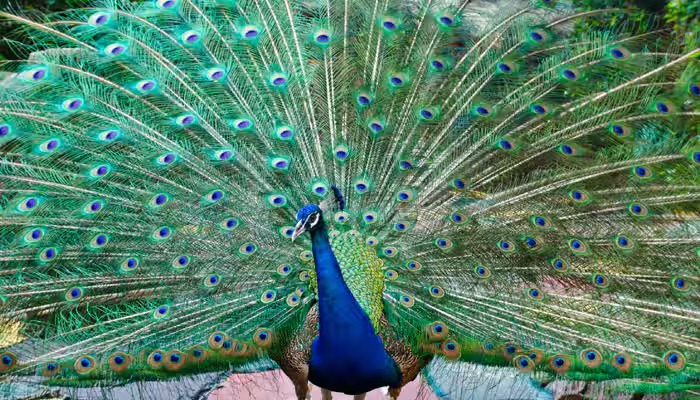
In a deeply troubling incident, 20 peacocks were found dead in Karnataka’s Belagavi district, just weeks after a tigress and her four cubs were discovered dead in nearby forest ranges. The back-to-back wildlife deaths have raised serious concerns about forest management, disease surveillance, and poaching threats in the region.
What Happened?
According to the Forest Department, the peacock carcasses were found in a farmland near Kakati village, bordering forest areas. Locals reported the incident after spotting multiple dead birds within a short distance of each other.
Officials immediately sealed off the area and sent samples for postmortem and forensic analysis.
Possible Causes Under Investigation
While the cause of death is yet to be confirmed, authorities are investigating multiple angles:
Suspected poisoning — either intentional or accidental from pesticide-treated crops
Avian disease outbreak (such as Newcastle Disease or avian flu)
Water contamination in nearby sources
Heat stress or environmental toxicity
A senior forest officer said:
“The deaths appear sudden. We are not ruling out deliberate poisoning, especially considering past incidents.”
Flashback: The Tigress and Cubs Tragedy
This incident follows closely on the heels of another heartbreaking event — the death of a tigress and her four cubs in Karnataka’s Nagarahole Tiger Reserve just three weeks ago.
Initial reports suggested poisoning or infighting, but autopsy and toxicology reports are still pending.
The combination of both events has triggered alarm among conservationists, with many demanding an independent probe and better surveillance protocols.
What the Forest Department Is Doing
In response, the Karnataka Forest Department has:
Deployed special veterinary and anti-poaching teams to the affected area
Initiated a massive combing operation to check for traps or poison bait
Requested help from the State Wildlife Board and National Wildlife Health Centre
Increased patrols and awareness campaigns for local farmers
Environmental activists are urging the government to act before more species fall victim to what appears to be a pattern of neglect or malicious intent.
A Wake-Up Call for Wildlife Conservation
Karnataka is one of India’s most wildlife-rich states — home to tigers, elephants, leopards, and hundreds of bird species, including the Indian peacock, which is also the national bird.
The recent deaths underscore a deeper issue:
Insufficient habitat monitoring
Poor implementation of wildlife protection laws
Human-wildlife conflict in fringe villages
Conservationists stress the need for rapid testing infrastructure, community training, and a statewide wildlife health audit.
Final Thoughts
The death of 20 peacocks — following the tragic loss of a tigress and her four cubs — should not be treated as isolated cases. Together, they point to a systemic failure in wildlife governance. As investigations continue, the priority must shift from damage control to long-term wildlife safety and ecological balance in Karnataka’s forests.
Published on : 4th August
Published by : SMITA
www.vizzve.com || www.vizzveservices.com
Follow us on social media: Facebook || Linkedin || Instagram
🛡 Powered by Vizzve Financial
RBI-Registered Loan Partner | 10 Lakh+ Customers | ₹600 Cr+ Disbursed