

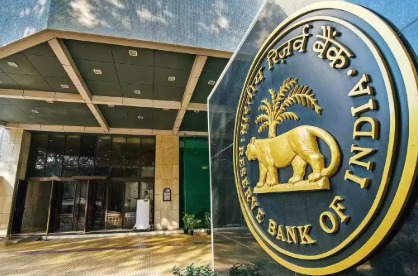
As India’s economy heads into FY26, the Reserve Bank of India (RBI) stands at a critical juncture — balancing inflation control with growth momentum. For millions of borrowers, every tweak in RBI policy directly affects home, vehicle, and personal loan EMIs.
With evolving inflation trends, global oil prices, and liquidity conditions, the central bank’s upcoming policy actions could reshape the borrowing landscape by the end of FY26.
Let’s break down how this may play out — and what it means for you.
1️⃣ The Current Monetary Landscape
As of FY25, RBI has kept the repo rate at 6.50% — a steady stance maintained since early 2023 — to keep inflation near its target band of 4%.
However, changing factors such as:
Fluctuating global interest rates
Oil and commodity price volatility
Domestic credit growth in double digits
...are likely to influence future rate decisions.
By the end of FY26, the RBI could either ease or tighten rates depending on inflation data and growth stability.
2️⃣ Impact on Home Loan Rates
If RBI Cuts Repo Rate
Home loan EMIs could fall by 0.25–0.50%, especially for floating-rate borrowers.
Affordable housing and first-time buyers would benefit from cheaper credit and higher eligibility.
If RBI Maintains or Raises Rates
Home loan rates could remain in the 8.5–9% range, slightly increasing the cost of long-term borrowing.
Fixed-rate home loans might gain popularity for EMI stability.
Trend to Watch
Banks are expected to continue linking home loan rates directly to repo-linked lending rates (RLLR), meaning any RBI rate move will have an immediate effect on borrower EMIs.
3️⃣ Impact on Vehicle Loans
Growing Demand Meets Tight Credit
With the auto market rebounding and EV adoption rising, credit demand is surging.
If policy rates stay stable, vehicle loans will hover around 9–11%, depending on tenure and vehicle type.
However, if inflation spikes, lenders may raise interest rates to manage credit risk.
RBI’s Push for Green Financing
The central bank is also encouraging green auto financing — potentially offering lower rates for EVs or hybrid vehicles by FY26.
4️⃣ Impact on Personal Loans
Higher Risk, Higher Rates
Personal loans, being unsecured, are most sensitive to policy shifts.
If RBI tightens liquidity or raises rates, personal loan interest could rise from the current 10–18% to as high as 20%, especially for low CIBIL borrowers.
On the Other Hand…
If inflation stabilizes and liquidity improves, fintechs and NBFCs could offer flexible EMI plans and instant approval loans at competitive rates — keeping the segment buoyant.
5️⃣ Key RBI Policy Factors to Watch
Inflation Data:
If inflation stays near 4–4.5%, RBI could cut repo rates by mid-FY26.
Global Economic Trends:
Rate changes by the U.S. Federal Reserve often influence RBI’s stance on liquidity and capital flows.
Credit Growth Patterns:
A rapid rise in consumer loans could prompt tighter lending norms to curb risk.
Digital Lending & NBFC Oversight:
RBI’s increasing scrutiny over NBFCs and digital lenders may impact short-term loan pricing.
6️⃣ Borrower Strategies for FY26
✅ Opt for Floating-Rate Loans: Benefit quickly if RBI cuts repo rates.
✅ Prepay When Possible: Reduce your loan burden before possible rate hikes.
✅ Compare Offers: Check both banks and NBFCs — fintechs often provide better flexibility.
✅ Maintain a Strong CIBIL Score: A higher score helps lock in lower interest rates.
✅ Track RBI Announcements: Even a 0.25% change can significantly affect long-term EMIs.
Conclusion
As FY26 approaches, borrowers can expect a dynamic loan environment shaped by RBI’s balancing act between inflation and growth.
For now, the outlook remains cautiously optimistic — with room for moderate rate cuts if inflation stabilizes.
Whether you’re planning a new home, a car upgrade, or a personal expense, staying informed about RBI’s monetary trends will help you borrow smartly and plan ahead.
In the end, the smartest borrower isn’t the one who borrows less — it’s the one who borrows with awareness.
FAQs
1️⃣ How does RBI’s repo rate affect loan interest?
A lower repo rate reduces the cost of borrowing for banks, which then pass on the benefit to customers via lower loan EMIs.
2️⃣ Will RBI cut rates in FY26?
It depends on inflation and global market trends. Analysts predict a possible rate cut in late FY26 if inflation remains under control.
3️⃣ Which loans are most affected by policy changes?
Home and personal loans with floating interest rates are directly affected, while fixed-rate loans see delayed impact.
4️⃣ Should I switch to a floating-rate loan now?
If you expect rate cuts within the next year, switching could save on EMIs — but confirm with your lender about fees or transfer charges.
5️⃣ What can I do to manage EMI hikes?
You can increase your EMI tenure, part-prepay, or refinance your loan at lower rates when policy changes favor borrowers.
Published on : 16th October
Published by : SMITA
www.vizzve.com || www.vizzveservices.com
Follow us on social media: Facebook || Linkedin || Instagram
🛡 Powered by Vizzve Financial
RBI-Registered Loan Partner | 10 Lakh+ Customers | ₹600 Cr+ Disbursed
https://play.google.com/store/apps/details?id=com.vizzve_micro_seva&pcampaignid=web_share