

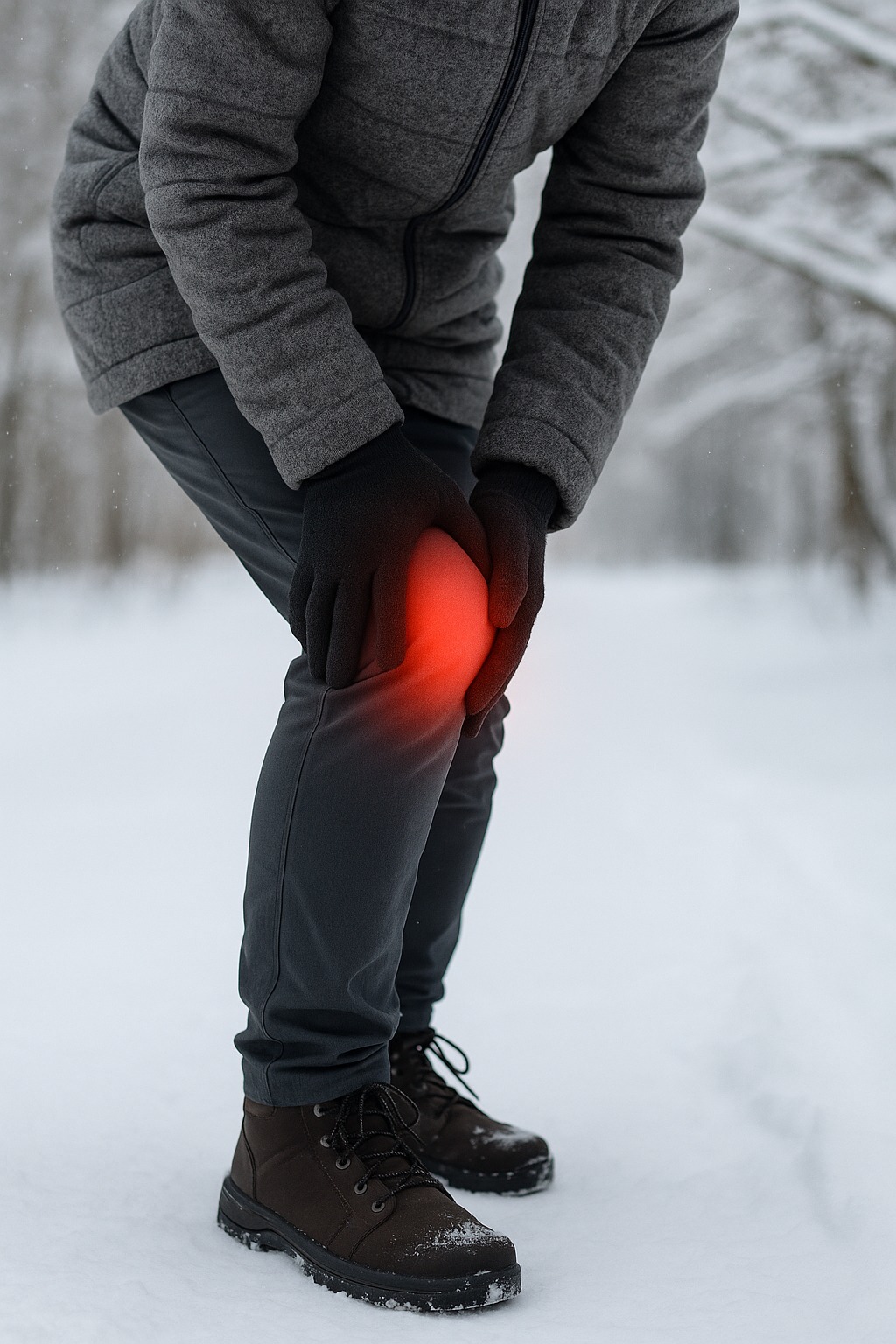
Winter brings a sharp increase in joint pain, stiffness, and arthritis flare-ups. Cold weather causes muscles to tighten, reduces blood flow, and increases pressure on joints — especially for people with osteoarthritis, rheumatoid arthritis, or chronic inflammation.
But many people unknowingly make everyday mistakes that intensify winter aches, making movements painful and mornings difficult. Here are the five most common mistakes and how to avoid them.
1. Skipping Warm-Up Before Daily Activities
Most people think warm-ups are only for workouts — but in winter, even simple movements like getting out of bed, climbing stairs, or lifting objects can strain cold, stiff joints.
Why it’s harmful:
Cold muscles are less flexible, increasing stiffness and joint pain.
Fix it:
Do 3–5 minutes of gentle stretching
Move joints slowly before walking
Use heat packs for severe morning stiffness
2. Not Staying Hydrated
People drink less water in winter because they feel less thirsty, but dehydration worsens inflammation and reduces joint lubrication.
Why it’s harmful:
Low hydration leads to poor cartilage cushioning and higher friction.
Fix it:
Drink 6–8 glasses of water daily
Add warm herbal teas or infused water
Avoid excess caffeine which dehydrates
3. Sitting for Long Hours Without Movement
Cold weather often leads to long periods of inactivity — working at a desk, watching TV, or relaxing in blankets. This worsens stiffness.
Why it’s harmful:
Prolonged stillness causes joint fluid to stagnate and muscles to stiffen.
Fix it:
Move every 30–45 minutes
Walk around indoors
Do gentle mobility exercises
4. Wearing Improper Winter Footwear
Thin or flat footwear doesn’t provide support in winter, especially when walking on hard, cold surfaces.
Why it’s harmful:
Poor footwear increases knee, hip, and back stress — worsening arthritis pain.
Fix it:
Wear cushioned shoes
Use orthotic insoles if needed
Avoid slippers with no arch support
5. Ignoring Vitamin D Levels
Winter means less sunlight and lower Vitamin D — a key nutrient for bone strength and joint function.
Why it’s harmful:
Low Vitamin D increases pain sensitivity, muscle weakness, and arthritis flare-ups.
Fix it:
Spend 15–20 minutes outdoors when possible
Include fortified foods or supplements
Get blood levels checked regularly
Extra Tips for Managing Winter Joint Pain
Use warm compresses during mornings
Maintain an active routine
Eat anti-inflammatory foods (turmeric, nuts, leafy greens)
Get regular physiotherapy if pain is chronic
Simple lifestyle changes can significantly reduce winter aches and improve joint health.
❓ FAQs
1. Why does joint pain worsen in winter?
Cold weather tightens muscles, reduces blood flow, and increases joint stiffness.
2. Can hydration reduce winter aches?
Yes, staying hydrated helps maintain joint lubrication and reduces friction.
3. What vitamin helps joint pain in winter?
Vitamin D is essential for bone and joint health and often drops in winter.
4. Should elderly people exercise in winter?
Yes — gentle movement prevents stiffness and improves flexibility.
5. Does cold weather affect arthritis patients more?
Yes, arthritis patients are more sensitive to temperature changes and may experience flare-ups.
6. Should one use heat or ice for winter joint pain?
Heat is generally preferred in winter for relaxing stiff muscles; ice is useful for swelling.
Published on : 21st November
Published by : SMITA
www.vizzve.com || www.vizzveservices.com
Follow us on social media: Facebook || Linkedin || Instagram
🛡 Powered by Vizzve Financial
RBI-Registered Loan Partner | 10 Lakh+ Customers | ₹600 Cr+ Disbursed
Source Credit: Written by: Rupashi Chhabra | Nov 21, 2025