

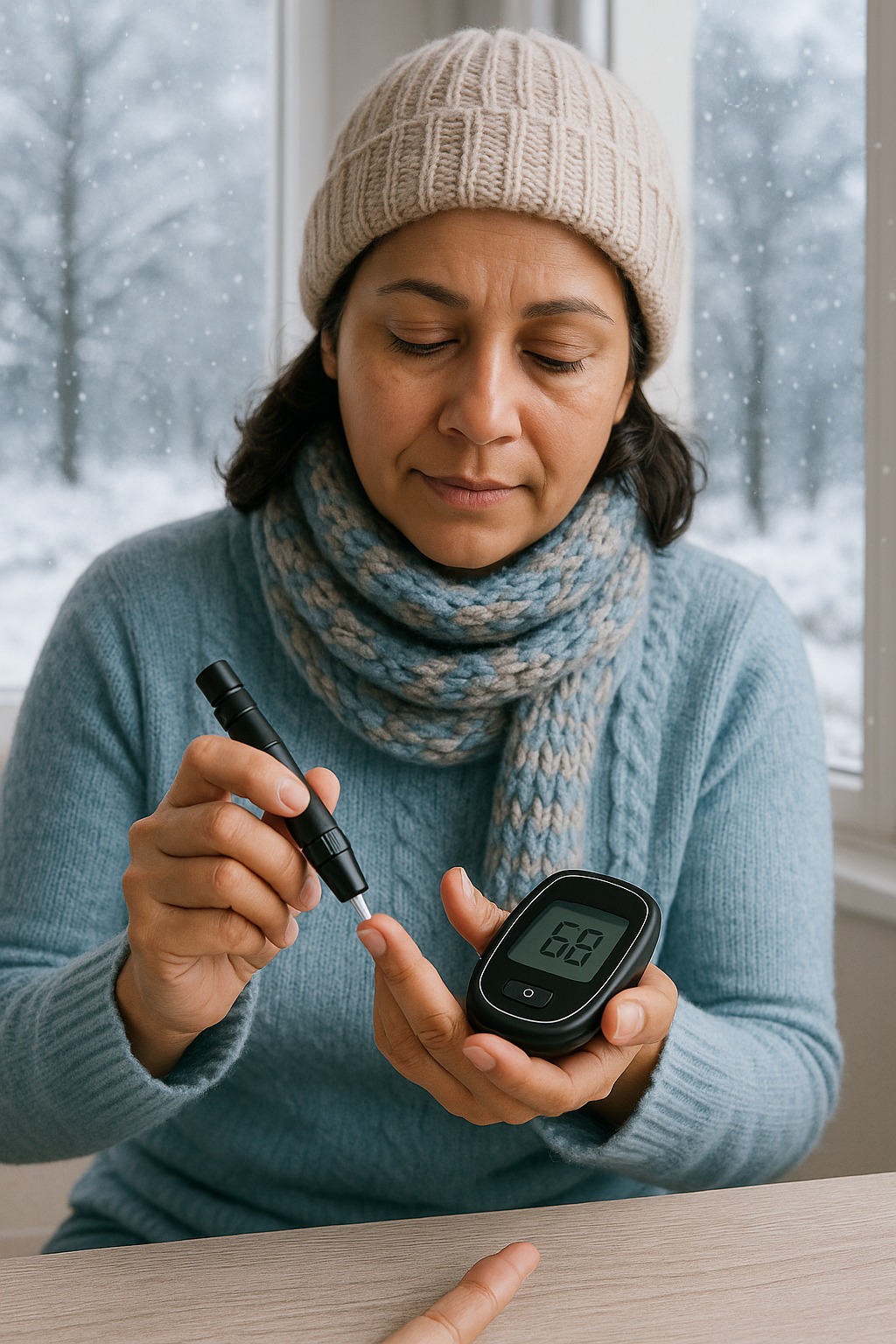
As winter sets in, managing diabetes becomes more challenging due to reduced physical activity, fluctuating blood sugar levels, and higher cravings for warm comfort foods. On World Diabetes Day 2025, health experts emphasize the importance of adopting season-specific strategies to maintain stable glucose levels.
Here are expert-backed tips to help individuals with diabetes stay safe, active, and healthy during the colder months.
Why Winter Makes Diabetes Management Harder
Winter often leads to:
Lower activity levels, causing insulin resistance
Higher appetite and tendency to consume calorie-dense foods
Temperature-induced stress, which may impact glucose readings
Increased risk of infections, especially respiratory issues
Understanding these challenges is the first step toward better seasonal diabetes care.
Expert-Recommended Winter Care Tips
1. Stay Physically Active Indoors
Cold weather can discourage daily walks or outdoor exercise. Experts recommend:
Light indoor workouts
Yoga or stretching
Home treadmill/cycling sessions
Staying active improves insulin sensitivity and stabilizes glucose levels.
2. Eat Warm, Low-Glycemic Winter Foods
Choose foods that provide warmth without spiking blood sugar:
Soups made with vegetables and lean protein
Millets and whole grains
Nuts and seeds in moderation
Avoid sugary beverages, excessive potatoes, and heavy sweets.
3. Monitor Blood Sugar More Frequently
Temperature changes may cause unpredictable glucose fluctuations. Experts advise checking levels:
Before meals
After any new winter food
After indoor exercise sessions
Regular monitoring helps adjust medications or insulin safely.
4. Stay Hydrated Despite Cold Weather
People often drink less water in the winter, leading to dehydration—a trigger for high sugar levels. Warm water, herbal teas, and infused water help maintain hydration.
5. Protect Feet and Skin
Cold weather increases dryness and risk of foot injuries for diabetic patients.
Care steps include:
Moisturizing daily
Wearing warm socks
Checking feet for cracks or cuts
Using soft footwear indoors
6. Manage Stress and Sleep Properly
Winter blues or disrupted routines can elevate stress hormones like cortisol, affecting blood sugar.
Focus on:
Consistent sleep cycles
Relaxation techniques
Avoiding late-night snacking
When to See a Doctor
Seek medical advice if you notice:
Continuous high blood sugar
Frequent dizziness or fatigue
Signs of infection
Numbness or swelling in extremities
Early medical intervention can prevent serious winter complications.
FAQs
Q1. Why does blood sugar increase during winter?
Reduced activity, dietary changes, and cold-induced stress can contribute to higher glucose levels.
Q2. Can diabetics exercise outdoors in winter?
Yes, but only with proper warm clothing and safe weather conditions. Indoor workouts are safer during extreme cold.
Q3. What are the best winter foods for diabetics?
Soups, leafy vegetables, legumes, millets, nuts, and low-GI fruits like apples and pears.
Q4. Is dehydration common in winter for diabetics?
Yes. People often drink less water in cold weather, which may elevate blood sugar.
Published on : 14th November
Published by : SMITA
www.vizzve.com || www.vizzveservices.com
Follow us on social media: Facebook || Linkedin || Instagram
🛡 Powered by Vizzve Financial
RBI-Registered Loan Partner | 10 Lakh+ Customers | ₹600 Cr+ Disbursed