

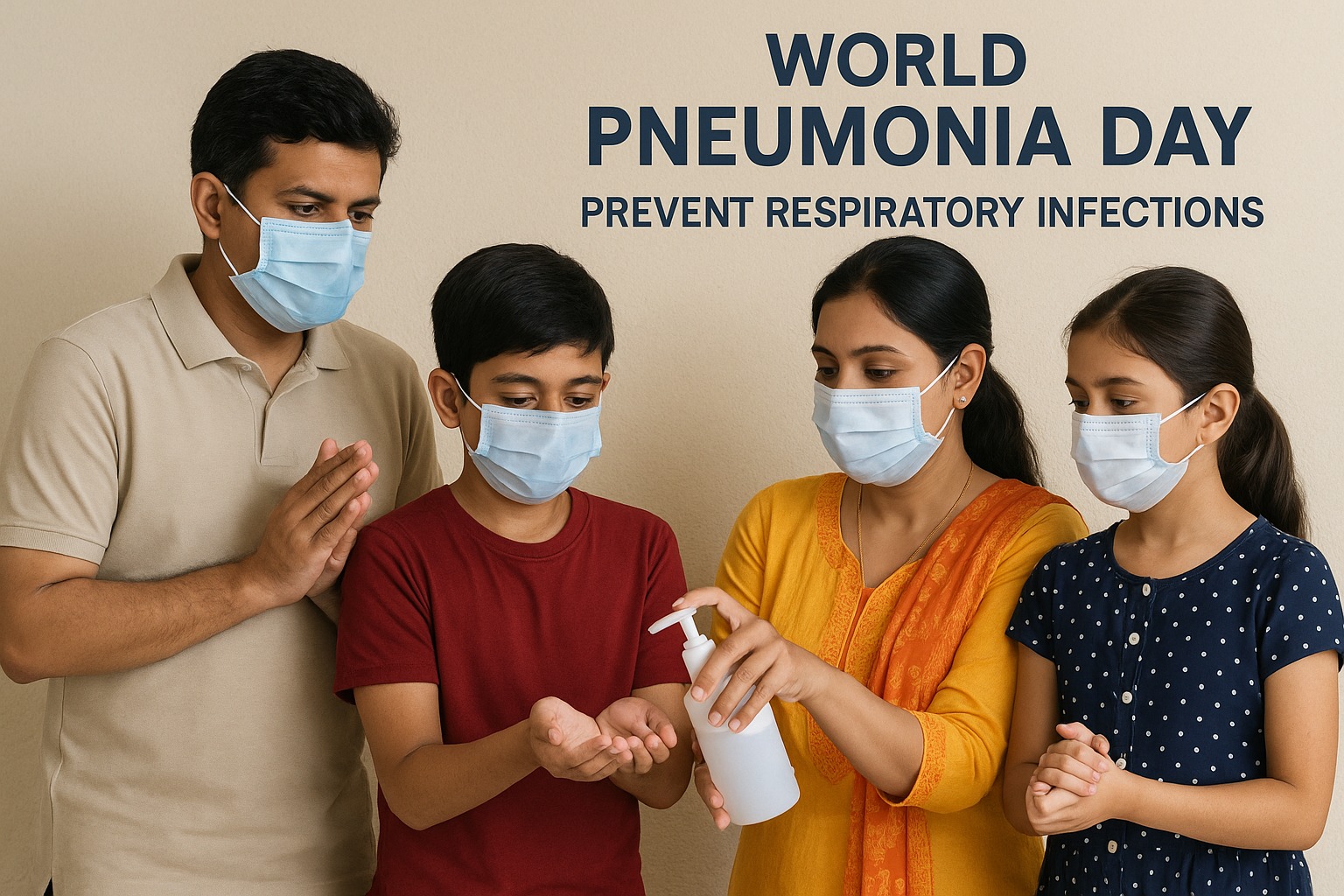
Every year, World Pneumonia Day — observed on November 12 — serves as a global call to action to fight one of the deadliest yet most preventable infectious diseases. Pneumonia continues to affect millions worldwide, and India remains among the countries with the highest disease burden, particularly among young children and the elderly.
While medical advancements have reduced fatalities, prevention through awareness and everyday hygiene practices remains the most powerful shield against this respiratory illness.
Here are five simple yet effective steps Indian families can take to protect themselves and their loved ones from pneumonia this season.
1. Stay Up-to-Date with Vaccinations
Vaccination is the most reliable defence against pneumonia.
Ensure that children receive all recommended doses of the pneumococcal conjugate vaccine (PCV) and Haemophilus influenzae type b (Hib) vaccine as part of the national immunization schedule.
Adults and seniors, especially those with diabetes, asthma, or chronic heart/lung disease, should discuss pneumonia and influenza vaccines with their doctors.
Timely immunization drastically reduces severe infections and hospitalizations.
2. Practice Respiratory Hygiene
Good hygiene helps stop pneumonia-causing germs from spreading:
Cover your mouth and nose with a tissue or elbow when sneezing or coughing.
Dispose of tissues properly and wash hands frequently with soap and water.
Avoid close contact with anyone showing symptoms of flu or severe cold.
Encourage mask use in crowded or poorly ventilated spaces, particularly during seasonal outbreaks.
These small habits go a long way in protecting both individuals and communities.
3. Maintain Clean Indoor Air
Poor air quality — indoor or outdoor — is a major trigger for respiratory infections.
Use clean cooking fuel such as LPG or electricity instead of firewood or coal.
Keep windows open during the day to allow air circulation.
Avoid smoking indoors; secondhand smoke severely increases pneumonia risk in children.
Use air purifiers if possible in urban or industrial areas with high pollution levels.
Clean air is as important as clean water when it comes to lung health.
4. Strengthen Immunity through Nutrition
A well-nourished body is better equipped to fight infections.
Ensure that children get adequate protein, vitamins A, C, E, and D, and minerals like zinc and iron through a balanced diet.
Breastfeeding infants for at least the first six months significantly strengthens their immune systems.
Elderly family members should include fruits, vegetables, lentils, and whole grains in daily meals to maintain resistance against respiratory infections.
Good nutrition complements vaccination as the foundation of prevention.
5. Recognize Symptoms Early and Seek Timely Medical Care
Prompt recognition and early treatment can prevent complications.
Common warning signs include:
Persistent cough with phlegm
Rapid or difficult breathing
Chest pain
High fever or chills
Lethargy and loss of appetite
If symptoms appear — especially in young children or older adults — seek medical care immediately. Early diagnosis ensures faster recovery and prevents spread within households.
The Bigger Picture
Pneumonia is not just a medical problem; it’s a public-health challenge intertwined with air quality, nutrition, and healthcare access. The theme of World Pneumonia Day 2025 reinforces a collective message — prevention begins at home.
By maintaining immunization schedules, practicing hygiene, improving air quality, and ensuring good nutrition, Indian families can drastically reduce the risk of pneumonia.
On this World Pneumonia Day, let’s commit to building a healthier, safer environment — one household at a time.
FAQs
Q1. Who is most at risk of pneumonia?
A: Infants, young children under five, adults over sixty, and those with chronic illnesses like diabetes, heart disease, or weakened immunity.
Q2. Is pneumonia contagious?
A: Yes, it can spread through coughs, sneezes, and contact with contaminated surfaces. Proper hygiene reduces the risk of transmission.
Q3. How does pollution increase pneumonia risk?
A: Airborne pollutants weaken the lungs and make them more vulnerable to infections, particularly in children and the elderly.
Q4. Can pneumonia be prevented naturally?
A: Natural methods such as balanced nutrition, adequate sleep, and good hygiene help strengthen immunity but should complement vaccination — not replace it.
Q5. When should one visit a doctor?
A: Seek medical help at the first sign of persistent cough, fever, or breathing difficulty — early intervention can save lives.
Published on : 12th November
Published by : SMITA
www.vizzve.com || www.vizzveservices.com
Follow us on social media: Facebook || Linkedin || Instagram
🛡 Powered by Vizzve Financial
RBI-Registered Loan Partner | 10 Lakh+ Customers | ₹600 Cr+ Disbursed
Source Credit : Written by Rupashi Chhabra | NDTV