

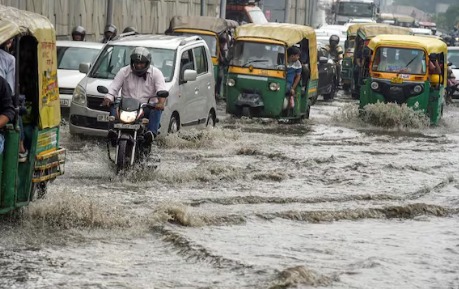
The India Meteorological Department (IMD) has issued warnings of heavier-than-normal rainfall across many parts of the country over the coming days. This heightened rainfall is expected to affect urban areas, agricultural regions, and flood-prone zones, prompting local authorities to take precautionary measures.
Key Weather Forecast
Regions Affected: Western, Central, Eastern, and Northeastern India are expected to witness above-average rainfall, while southern coastal states may experience localized heavy showers.
Duration: The rainfall is predicted to continue over the next week, with intermittent thunderstorms and heavy showers in specific states.
Flood Warnings: Riverine areas, low-lying towns, and urban centers are at risk of waterlogging and flash floods.
Causes of Heavier Rainfall
Monsoon Patterns: Active monsoon systems and western disturbances are contributing to increased rainfall intensity.
Climate Variability: Global climate factors, including El Niño and La Niña patterns, can exacerbate rainfall trends.
Local Weather Conditions: Urban heat islands and regional topography can intensify localized heavy showers.
Precautionary Measures
Urban Safety: Avoid low-lying streets during heavy rains to prevent accidents and waterlogging.
Travel Advisory: Check road and train conditions before traveling; flights may face delays in affected regions.
Flood Preparedness: Stay updated with local flood alerts and evacuation notices in vulnerable areas.
Agricultural Tips: Farmers should monitor weather updates for crop protection and irrigation adjustments.
Impact on Daily Life
Transportation Disruptions: Heavy rainfall may affect road, rail, and air travel.
Urban Flooding: Cities could experience traffic congestion, drainage overflow, and waterlogging.
Agricultural Implications: While some crops benefit, excessive rainfall could lead to crop damage and soil erosion.
Conclusion
India is bracing for heavier-than-normal rainfall across multiple regions, making it crucial for citizens and authorities to stay alert. Adhering to weather advisories, preparing for floods, and taking safety measures can mitigate the risks posed by this intensified rainfall.
FAQs
Q1: Which regions in India are expected to receive heavier-than-normal rainfall?
A1: Western, Central, Eastern, and Northeastern India are expected to see above-average rainfall. Southern coastal areas may also experience localized heavy showers.
Q2: What is causing the increased rainfall?
A2: The heavy rainfall is due to active monsoon systems, western disturbances, and climate variability including El Niño/La Niña patterns. Local conditions like topography can also intensify rain.
Q3: How long will the heavy rainfall continue?
A3: The rainfall is predicted to persist over the next week, with intermittent thunderstorms and heavy showers in specific states.
Q4: Are there flood risks due to this rainfall?
A4: Yes. Riverine areas, low-lying towns, and urban centers are at risk of waterlogging and flash floods. Residents should stay alert to local flood warnings.
Q5: How will this affect daily life and travel?
A5: Heavy rains may lead to road and railway disruptions, flight delays, urban waterlogging, and traffic congestion. Travelers should check conditions before departure.
Q6: What precautions should citizens take?
A6: Citizens should avoid waterlogged streets, follow local weather advisories, secure property, and prepare for possible evacuations in vulnerable areas.
Published on : 28th September
Published by : SMITA
www.vizzve.com || www.vizzveservices.com
Follow us on social media: Facebook || Linkedin || Instagram
🛡 Powered by Vizzve Financial
RBI-Registered Loan Partner | 10 Lakh+ Customers | ₹600 Cr+ Disbursed
https://play.google.com/store/apps/details?id=com.vizzve_micro_seva&pcampaignid=web_share