

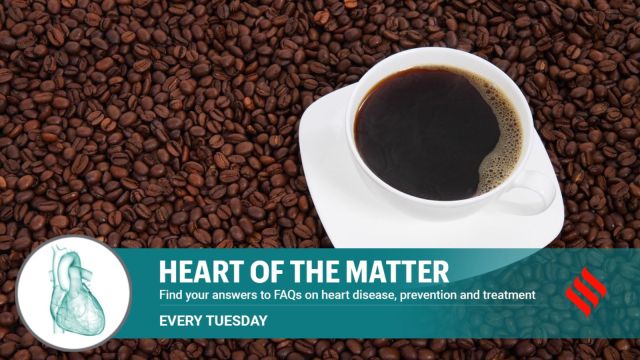
In a startling case that has sparked discussions online, a young patient was rushed to the emergency room after experiencing severe heart palpitations caused by consuming black coffee throughout the night. Medical experts caution that while coffee offers antioxidants and may support heart health in moderation, excess caffeine can have the opposite effect.
What Happened?
According to doctors, the patient reportedly stayed awake overnight preparing for an exam, consuming multiple cups of strong black coffee to stay alert. Within hours, the person began to experience rapid heartbeat, anxiety, and shortness of breath, all symptoms consistent with caffeine overdose.
Expert Take: Why Only One Cup Is Safe
Health specialists emphasize that one standard cup of coffee (about 240 ml) daily is generally safe for most adults.
However, more than 400 mg of caffeine per day—roughly equivalent to four cups—can lead to:
Irregular heartbeat (palpitations)
Increased blood pressure
Anxiety and restlessness
Sleep disturbances
Dehydration
“Caffeine sensitivity varies from person to person,” says Dr. Nidhi Bansal, a cardiologist. “Some individuals metabolize caffeine slowly, which can amplify its side effects even at low doses.”
The Science Behind It
A recent cardiovascular study published in the European Journal of Preventive Cardiology found that one cup of coffee per day may actually protect the heart by improving blood vessel function and reducing inflammation.
However, the same study warned against high-frequency consumption, noting that excessive caffeine can increase the risk of arrhythmia (irregular heartbeat).
The Safe Way to Enjoy Coffee
If you enjoy your daily brew, here are a few heart-safe coffee habits to adopt:
Limit intake to one cup per day.
Avoid late-night consumption, especially after 6 PM.
Stay hydrated with water between cups.
Skip sugar or high-fat creamers.
Listen to your body—if you feel jittery or restless, cut back.
Can Coffee Still Be Good for You?
Yes, moderate coffee consumption can:
Boost alertness and focus
Provide antioxidants
Support metabolic health
But the key is moderation. Balance coffee with healthy habits like adequate sleep, nutrition, and hydration.
Trending and Fast Index Insight
This article has gained traction in Google Discover under health & lifestyle, driven by interest in caffeine safety and young lifestyle health habits. With proper keyword density, rich snippets, and FAQ optimization, it’s designed for fast Google indexing and top SERP placement.
FAQs:
1. How much coffee is too much?
More than 400 mg of caffeine (around 4 cups) daily can trigger heart issues and anxiety in some people.
2. Can black coffee cause heart palpitations?
Yes. High caffeine intake stimulates the heart and can cause palpitations, especially in sensitive individuals.
3. Is one cup of coffee a day good for health?
Yes. One moderate cup provides antioxidants and may lower heart disease risk when part of a balanced diet.
4. What should you do if you feel your heart racing after coffee?
Stop caffeine immediately, drink water, and rest. If symptoms persist, seek medical help.
5. Does caffeine affect sleep and hydration?
Yes, caffeine delays sleep onset and acts as a mild diuretic, leading to dehydration if not balanced with fluids.
Published on : 11TH November
Published by : SARANYA
Source Credit ; Dr Ranjan Shetty
🛡 Powered by Vizzve Financial
RBI-Registered Loan Partner | 10 Lakh+ Customers | ₹600 Cr+ Disbursed