

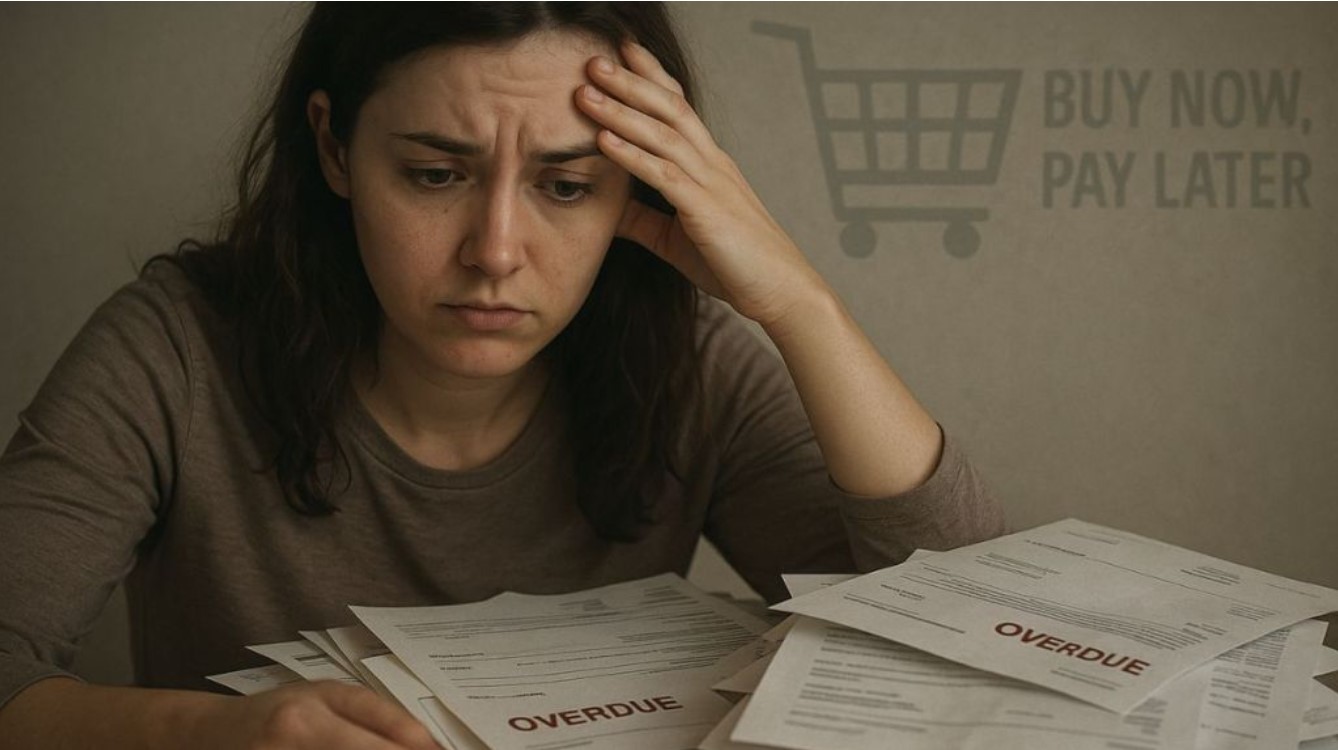
Your “Buy Now, Pay Later” Habit Is Costing You More Than You Think
Buy Now, Pay Later (BNPL) services are booming in popularity, offering a fast and flexible way to split payments into manageable installments. But while the model appears consumer-friendly, there’s a darker financial truth beneath the surface.
BNPL programs are subtly encouraging overspending, trapping users in cycles of debt, and affecting long-term credit health. Here’s why your BNPL habit could be costing you far more than you realize.
1. BNPL Encourages Impulse Buying
BNPL platforms like Klarna, Afterpay, and Affirm make shopping easier than ever—too easy. With just a few clicks, you can commit to spending money you don’t actually have. Studies show consumers spend up to 30% more when BNPL is an option, due to the illusion of affordability.
2. Small Payments Add Up Quickly
While splitting a $100 purchase into four payments of $25 may seem harmless, multiple concurrent BNPL agreements can snowball. With no centralized tracking, it’s easy to lose sight of total obligations, leading to repayment struggles.
3. Late Fees and Penalties Can Be Steep
BNPL may be interest-free—until it isn’t. Missing a payment can result in late fees, interest charges, or account suspensions. Some providers even report missed payments to credit bureaus, damaging your credit score.
4. BNPL Doesn’t Build Credit
Most BNPL providers don’t report positive repayment history to credit bureaus. This means you don’t build credit for on-time payments—but you could harm your credit with missed ones. Unlike credit cards, there’s little upside for your credit profile.
5. It Creates a False Sense of Affordability
Spreading payments may make you feel like you can afford something outside your budget. BNPL promotes lifestyle inflation by shifting focus from total cost to monthly payments, leading to financial strain over time.
6. Overuse May Signal Risk to Lenders
Using multiple BNPL accounts can signal financial instability to traditional lenders. It raises red flags during credit checks for loans, mortgages, or even rental applications.
How to Use BNPL Responsibly
If you choose to use BNPL, follow these financial hygiene tips:
Only use it for essential or planned purchases
Limit yourself to one active BNPL arrangement at a time
Set reminders for due dates to avoid late fees
Track all installment obligations with a budgeting tool
Prefer platforms that report positive history to credit bureaus
Frequently Asked Questions (FAQ)
Is Buy Now, Pay Later bad for your credit score?
It can be. Most providers don’t report on-time payments, but they may report missed or late payments, which can lower your credit score.
How is BNPL different from using a credit card?
Credit cards offer revolving credit and often report full payment histories to credit bureaus. BNPL is installment-based and often lacks the same protections or credit benefits.
Can I use BNPL to build credit?
Most BNPL services don’t report to credit bureaus unless you default. So, unlike credit cards or personal loans, it typically doesn’t help build credit.
What happens if I miss a BNPL payment?
You may incur late fees, lose access to the service, or be reported to credit agencies, which can damage your credit rating.
Is BNPL safe for everyday purchases?
It’s generally better for planned, budgeted expenses. Overusing BNPL for daily items may signal overspending or cash flow issues.
Conclusion
BNPL can be a useful tool if used responsibly. But it’s not “free money”—it’s deferred debt. Understanding the true cost of BNPL can protect you from falling into a pattern of overconsumption and long-term financial damage. Think twice before clicking “Pay Later.”
Published on: June 15, 2025
Uploaded by: PAVAN
www.vizzve.com || www.vizzveservices.com
Follow us on social media: Facebook || Linkedin || Instagram