

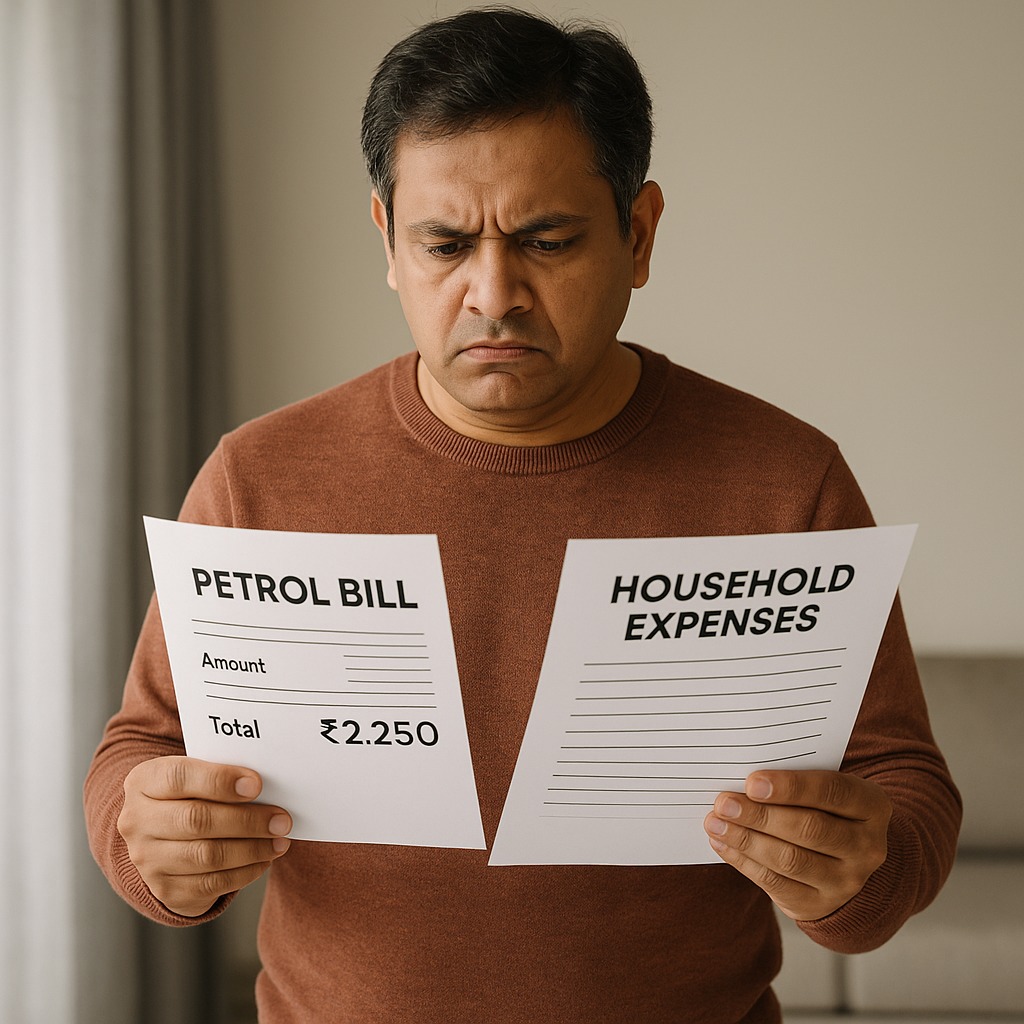
Energy is at the heart of every Indian household — from cooking gas to petrol, electricity, transportation, and everyday essentials. As India rolls out a fresh wave of energy reforms, many families are beginning to notice changes in their monthly expenses. These policies aim to modernise the energy sector, reduce import dependency, and push cleaner fuels — but they also influence what you pay at the pump and at home.
Here’s how India’s new energy policies may impact your petrol bill, LPG cost, and overall household budget in 2025.
1. Petrol & Diesel: Why Prices May Fluctuate More Frequently
India’s shift to a more dynamic fuel pricing mechanism means:
Petrol prices can change more often
International crude oil volatility affects local prices quickly
Taxes may be adjusted depending on fiscal needs
Impact on your budget:
Monthly fuel spending may vary
Long-distance commuters and cab drivers will feel the changes first
Family travel budgets may need slight adjustments
The government’s focus on reducing fuel imports may lead to more investment in refining and biofuel production — potentially offering long-term price stability.
2. Push Toward Biofuels & Ethanol Blending Will Affect Pump Prices
India’s goal of increasing ethanol blending in petrol (up to 20%) reduces oil import dependence. Ethanol is cheaper to produce, and higher blending can lower petrol costs gradually.
Impact on consumers:
Slight reduction in petrol price over time
Cleaner fuel → better engine efficiency for some vehicles
Rural sugarcane farmers benefit, boosting rural income
However, during transition phases, fuel quality may differ slightly across cities.
3. LPG Cylinder Costs: Smaller, More Targeted Subsidies
New energy reforms emphasise:
Targeted LPG subsidies for low-income households
Gradual removal of universal LPG subsidy
Promotion of electric and solar cooking solutions
Impact on your home:
Middle-class families may pay higher LPG cylinder prices
Frequent price revisions based on global gas rates
Shift toward induction stoves and electric cooking may reduce dependence on LPG
4. Rise of Electric Vehicles (EVs) Will Influence Petrol Demand
India’s EV policies — including tax benefits, lower registration fees and expansion of charging stations — aim to reduce petrol consumption.
Impact on your budget:
If you switch to an EV, your fuel bill drops massively
Charging costs remain much cheaper than petrol
Maintenance savings improve long-term household finances
Even if you're not buying an EV, reduced petrol demand can influence overall pricing trends.
5. Power Bills May Rise Before They Stabilise
To modernise the grid and integrate renewable energy, states may revise electricity tariffs.
Impact on you:
Slightly higher power bills due to infrastructure upgrades
But better reliability, fewer outages, and more renewable energy in the long run
Households using solar rooftops may benefit the most with lower energy costs.
6. Cleaner Energy = Long-Term Budget Relief
India’s new energy roadmap includes:
Solar rooftop schemes
Green hydrogen projects
Electric mobility
Smart meters
More domestic oil & gas exploration
How this benefits you later:
Lower fuel dependency → more stable petrol prices
Cheaper energy sources like solar reduce electricity cost
More competition in fuel alternatives keeps prices in check
While some changes may feel heavy initially, they’re aimed at reducing household energy expenses over the next 5–10 years.
FAQs
Q1. Why are petrol prices changing more frequently now?
Because India follows dynamic pricing linked directly to global crude prices and taxation adjustments.
Q2. Will ethanol blending reduce petrol prices?
Yes, higher ethanol blending can gradually bring down petrol rates.
Q3. Are LPG subsidies still available?
Subsidies continue but are targeted mainly at low-income households.
Q4. Will electricity bills rise in 2025?
Possibly, due to grid modernization and renewable integration — but long-term bills may reduce.
Q5. Is switching to an EV good for saving money?
Yes. EVs significantly reduce fuel and maintenance costs.
Published on : 14th November
Published by : SMITA
www.vizzve.com || www.vizzveservices.com
Follow us on social media: Facebook || Linkedin || Instagram
🛡 Powered by Vizzve Financial
RBI-Registered Loan Partner | 10 Lakh+ Customers | ₹600 Cr+ Disbursed