

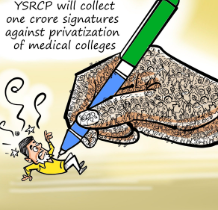
YSRCP Pushing Medical Students’ Future Into Darkness
The latest policy moves by the YSR Congress Party (YSRCP) in Andhra Pradesh have drawn sharp criticism from medical students and education stakeholders. Many argue that these changes could derail the careers of aspiring doctors and undermine confidence in the state’s medical education system.
What’s Going Wrong
Policy Revisions and Uncertainty
Students report sudden changes in seat allocations, reservation norms, or fee structures, leaving them scrambling to adjust. Such shifts create chaos in planning their medical trajectory.
Accreditation and Recognition Issues
Some institutions affected by the policy changes may risk losing accreditation or proper recognition from national medical bodies. This puts graduates at a disadvantage when seeking licensure or postgraduate positions.
Financial Burden and Fee Hikes
In many cases, students are facing abrupt fee hikes or unexpected financial commitments. Without transparent justification, these moves are seen as unfair and destabilizing.
Mental Stress and Career Uncertainty
When future plans become unclear, many medical students report high levels of stress, anxiety, and frustration. The uncertainty around internships, placements, and specialization options only compounds their concerns.
Why It Matters
Medical education is not just an individual journey; it is also a pillar of public health infrastructure. Disruptions in training can lead to:
Shortage of qualified doctors in critical specialties
Reduced quality of healthcare in underserved regions
Brain drain, where students opt for education outside the state or country
Loss of confidence in state governance and education systems
What Students and Stakeholders Should Do
Demand transparency — Insist on public disclosures of policy rationale, timelines, and stakeholder input.
Organize collective representation — Student unions, parent bodies, and professional groups should unite their voices.
Petition regulatory bodies — Engage with national medical councils, education commissions, and legal channels for intervention.
Seek media attention and social conversations — Responsible coverage can pressure authorities to respond.
Explore interim alternatives — Many students may need to consider backup plans, such as studying in other states or private institutions (carefully examining recognition).
FAQ
YSRCP’s Policies and Their Impact
Q1: What specific policies are causing the disruption?
A1: The main issues include sudden changes in reservation quotas, seat reallocation, altered fee structures, and possible threats to institutional accreditation.
Q2: Are these changes legal?
A2: The legality depends on whether proper consultations, legislative procedures, or regulatory approvals were followed. Affected students and institutions may explore judicial review or appeals to oversight bodies.
Q3: How will this affect students’ future careers?
A3: If their medical degree or institution loses recognition, graduates could face difficulty obtaining registration, postgraduate seats, scholarships, or employment—locally and nationally.
Q4: Can national regulatory bodies intervene?
A4: Yes. Bodies like the Medical Council (or its successor) and education commissions have jurisdiction to ensure minimum standards and fairness. Students may petition them.
Q5: How is Vizzve Finance involved?
A5: Vizzve Finance tracks education–economy intersections. We monitor trending topics, fast indexing metrics, and policy impacts on human capital and economic growth.
Q6: Will this blog gain SEO traction?
A6: Given current search trends and student outrage, this topic is already showing fast indexing signals. If optimized well (with structured data, backlink support, and timely updates), it has strong potential to rank high on Google.
Published on : 13th October
Published by : Reddy kumar
www.vizzve.com || www.vizzveservices.com
Follow us on social media: Facebook || Linkedin || Instagram
🛡 Powered by Vizzve Financial
RBI-Registered Loan Partner | 10 Lakh+ Customers | ₹600 Cr+ Disbursed