

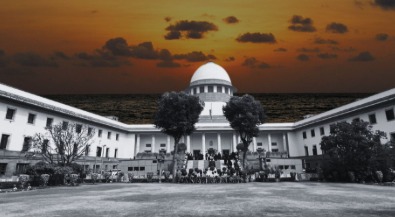
India’s Election Commission (EC) is under scrutiny as it maintains a “zero appeal” stance on certain electoral deletions, ahead of a crucial Supreme Court hearing. This development is poised to influence election processes, candidate disqualifications, and voter confidence, making it one of the most closely watched legal battles in India’s democratic framework.
The Supreme Court hearing will examine the scope of appeals, transparency, and due process in electoral deletions, with implications for future elections and administrative accountability.
Background
The Election Commission has reportedly taken a firm stance against appeals challenging deletions of electoral entries or candidate data.
Legal experts argue that this approach could streamline electoral processes but may raise concerns over fairness and checks on administrative decisions.
The Supreme Court is expected to deliberate on whether the zero-appeal policy aligns with constitutional safeguards and the principles of natural justice.
Why This Hearing Matters
Electoral Integrity
The Supreme Court’s ruling could set a precedent for how deletions and administrative actions are handled in the electoral system.
Candidate Rights
If appeals are restricted, candidates or voters may have limited recourse to challenge administrative decisions.
Transparency & Accountability
Observers emphasize the need for clear guidelines and procedural fairness to maintain public trust in elections.
Future Elections
The outcome could impact upcoming state and national elections, influencing how the EC manages electoral rolls and candidate eligibility.
Supreme Court Considerations
Review of existing legal provisions that empower or limit the Election Commission’s actions.
Examination of constitutional safeguards for citizens and candidates affected by deletions.
Determining appeal mechanisms, if any, for challenging EC decisions.
Balancing administrative efficiency with fundamental rights.
Expert Opinions
Legal Experts: Some argue that a zero-appeal policy could reduce litigation delays but must include mechanisms to prevent misuse or arbitrary decisions.
Election Analysts: Maintaining voter confidence is crucial; restricting appeals without adequate safeguards could erode trust in the democratic process.
FAQ: Zero Appeal on Deletions
Q1. What does “zero appeal” mean in this context?
A: It means that deletions of electoral entries or candidate data by the Election Commission cannot be challenged through internal appeals, though judicial recourse may still be possible.
Q2. Why is the Supreme Court hearing important?
A: The court will examine constitutional validity, fairness, and potential impact on elections.
Q3. Who is affected by this policy?
A: Candidates, voters, and other stakeholders whose entries or data may be deleted from electoral rolls.
Q4. Could this policy speed up electoral processes?
A: Yes, supporters argue that it reduces procedural delays, but critics caution it may limit transparency.
Q5. What are the potential implications for future elections?
A: The ruling could shape how electoral deletions and disputes are handled, affecting candidate eligibility and administrative efficiency.
Conclusion
The “zero appeal” policy adopted by the Election Commission marks a critical intersection of administrative efficiency and constitutional safeguards. The Supreme Court’s decision will likely clarify the legal framework, balancing speed in electoral administration with fairness, transparency, and protection of citizen rights.
As India watches, this hearing could have far-reaching consequences for electoral governance and democratic accountability.
Published on : 9th October
Published by : SMITA
www.vizzve.com || www.vizzveservices.com
Follow us on social media: Facebook || Linkedin || Instagram
🛡 Powered by Vizzve Financial
RBI-Registered Loan Partner | 10 Lakh+ Customers | ₹600 Cr+ Disbursed
https://play.google.com/store/apps/details?id=com.vizzve_micro_seva&pcampaignid=web_share