

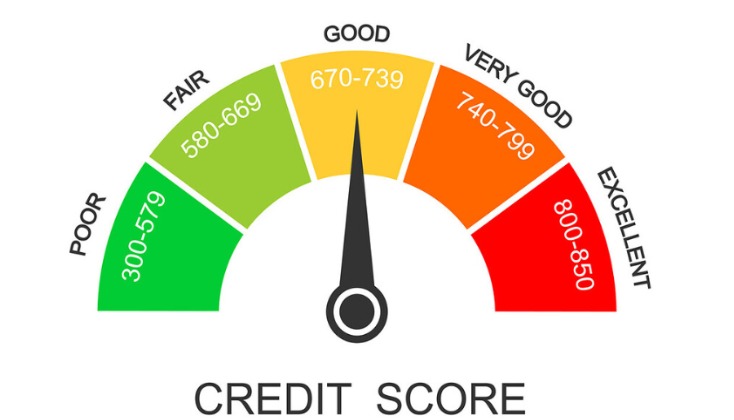
You apply for a loan, but the lender says your credit score is “NA” or “-1” — what does that even mean?
It doesn’t always mean you have bad credit — sometimes, it just means there’s not enough data to calculate your score.
At Vizzve Finance, we break down what zero or negative credit scores really mean, how they affect your loan applications, and what you can do to fix them fast.
1. What Is a Credit Score?
A credit score is a 3-digit number (ranging from 300 to 900) that represents your creditworthiness — your ability to repay loans responsibly.
It’s calculated by credit bureaus like CIBIL, Experian, Equifax, or CRIF High Mark based on your:
Loan and credit card history
Payment behavior
Credit utilization
Length of credit history
Number of active accounts
A higher score (750+) means you’re a low-risk borrower, while a lower score indicates risk.
2. What Does a Zero or Negative Credit Score Mean?
If your credit report shows “0,” “-1,” or “NA/NH”, it means the bureau doesn’t have enough data to calculate your score.
Here’s what each term means:
“-1” or “NA” (No Activity): You have no credit history or have never taken any loan or credit card.
“0” or “NH” (No History): You have a very new credit account (less than 6 months old), and the bureau doesn’t have sufficient repayment data yet.
So, a zero or negative score doesn’t mean bad credit — it just means no credit activity.
3. Why Does It Happen?
You may have a zero or negative credit score if:
You’ve never taken a loan or credit card.
You’ve been inactive for a long time — no active credit for 2+ years.
You’ve recently taken your first loan, and data hasn’t been updated yet.
You use only debit cards or cash, leaving no digital credit trail.
At Vizzve Finance, we often see this among students, freelancers, or new professionals starting their financial journey.
4. Impact of Zero or Negative Credit Score on Borrowing
A low or non-existent score can affect your loan experience in several ways:
🚫 Limited Loan Access: Banks and NBFCs may hesitate to approve loans without credit history.
💸 Higher Interest Rates: Lenders may charge slightly higher rates to offset the risk.
🕓 Slower Approvals: Manual verification is often required before approval.
🧾 Lower Credit Card Limits: New borrowers get smaller limits initially.
However, the good news — you can build your credit profile quickly with the right strategy.
5. How to Build or Improve Your Credit Score
Here are practical steps to move from zero to a strong score:
Start with a Credit-Builder Loan:
Take a small, secured loan and repay EMIs on time to generate credit history.
Apply for a Secured Credit Card:
Get one backed by a fixed deposit (FD) and use it responsibly.
Pay on Time:
Ensure 100% on-time payments — even a single delay can hurt your score.
Keep Credit Utilization Under 30%:
Don’t max out your credit cards; use moderately.
Avoid Too Many Loan Applications:
Multiple inquiries in a short time may flag you as high-risk.
Monitor Your Credit Report:
Check your CIBIL or Experian report every 3–6 months for accuracy.
Vizzve Finance Tip: Focus on consistency, not quick fixes. A strong credit profile takes steady repayment behavior over time.
6. How Long Does It Take to Build a Score?
If you start using credit responsibly, your first score can appear within 3 to 6 months.
Within 12 months, you can reach a healthy 700+ score with disciplined financial behavior.
Conclusion
A zero or negative credit score isn’t the end — it’s simply the beginning of your credit journey.
By taking small, responsible credit steps, you can move from “no score” to excellent credit faster than you think.
At Vizzve Finance, we believe that financial awareness and good habits are the foundation of credit success — not the score itself.
❓ FAQs
Q1. Is a zero credit score bad?
No. It just means you haven’t used credit yet — not that you’ve mismanaged it.
Q2. How can I get a loan with no credit score?
Try credit-builder loans, secured credit cards, or co-applicant loans with someone who has a good score.
Q3. How soon will my score appear after taking a loan?
Usually within 3–6 months of consistent EMI payments.
Q4. Will checking my credit score reduce it?
No. Soft checks (like checking your own score) don’t affect your score; only hard inquiries do.
Published on : 5th November
Published by : SMITA
www.vizzve.com || www.vizzveservices.com
Follow us on social media: Facebook || Linkedin || Instagram
🛡 Powered by Vizzve Financial
RBI-Registered Loan Partner | 10 Lakh+ Customers | ₹600 Cr+ Disbursed